
Glass vs. Plastic vs. Metal: Which Packaging Material Is Right for Your Startup?
For entrepreneurs launching a new product, few decisions carry as much weight as choosing the right packaging material. Your packaging is the first thing a customer sees, the last thing standing between your product and the outside world, and one of the clearest signals of your brand’s values. Whether you are bottling a cold-pressed juice, filling jars of artisanal face cream, or sealing tins of handcrafted lip balm, the material you select will influence everything from your product’s shelf life and shipping costs to how consumers perceive your brand on a crowded retail shelf.
The three most common materials that startups and small businesses work with are glass, plastic, and metal. Each brings its own set of advantages and trade-offs, and understanding those differences early in your business journey can save you time, money, and frustration down the line. The material you choose also affects sustainability messaging, regulatory compliance, labeling options, and even how your product performs in transit. For entrepreneurs who are making their first packaging decisions, navigating these choices can feel overwhelming — but it does not have to be.
This guide breaks down the pros and cons of glass packaging, plastic packaging, and metal packaging so you can make an informed decision that aligns with your product, your budget, and your brand identity. Along the way, we will highlight real brands that have turned their packaging choices into competitive advantages and show you where to find bulk and wholesale packaging options at BottleStore.com.

Why Glass Packaging Remains the Gold Standard for Premium Products
Glass has been used to store food, beverages, and personal care products for centuries, and there is a reason it endures. When consumers see glass packaging on a shelf, they immediately associate it with quality, purity, and craftsmanship. For startups that want to position their brand as premium, artisanal, or natural, glass packaging is often the most effective way to communicate that message without saying a word.
The advantages of glass packaging include:
- Product integrity and preservation. Glass is completely inert, meaning it does not react with or leach chemicals into the product it holds. This makes glass packaging especially important for food, beverages, essential oils, and skincare formulations where ingredient stability matters. Amber and cobalt glass varieties offer UV protection that can extend shelf life by shielding light-sensitive contents.
- Sustainability appeal. Glass is 100% recyclable and can be recycled endlessly without any loss in quality or purity. For eco-conscious brands and their customers, this is a major selling point. Glass packaging also carries a strong visual cue of environmental responsibility.
- Premium shelf presence. Glass has a weight, clarity, and tactile feel that plastic simply cannot replicate. Consumers are often willing to pay more for a product in glass because they perceive it as higher quality.
- Versatility of form. Glass bottles and jars come in an enormous range of shapes and sizes — from sleek Boston rounds and classic French squares to wide-mouth jars and pour-out bottles — giving entrepreneurs significant creative flexibility.
The trade-offs of glass packaging include:
- Higher upfront cost. Glass is generally more expensive per unit than plastic, particularly at smaller order quantities. For cash-strapped startups, this can be a meaningful consideration.
- Weight and fragility. Glass is heavier than plastic and metal, which increases shipping costs and breakage risk. Proper packaging inserts and careful palletizing are essential.
- Longer lead times. Custom glass molds can require significant investment and longer production timelines compared to plastic alternatives.
BottleStore.com offers one of the most expansive selections of wholesale glass containers in the United States, including glass bottles, glass jars, glass jugs, glass vials, and glass dropper bottles. Whether you need a 1 oz. sample jar for a skincare line or a 16 oz. Boston round for a cold-brew coffee brand, the variety of glass packaging available at BottleStore.com ensures you can find the right container for your product without needing to invest in custom molds from day one.
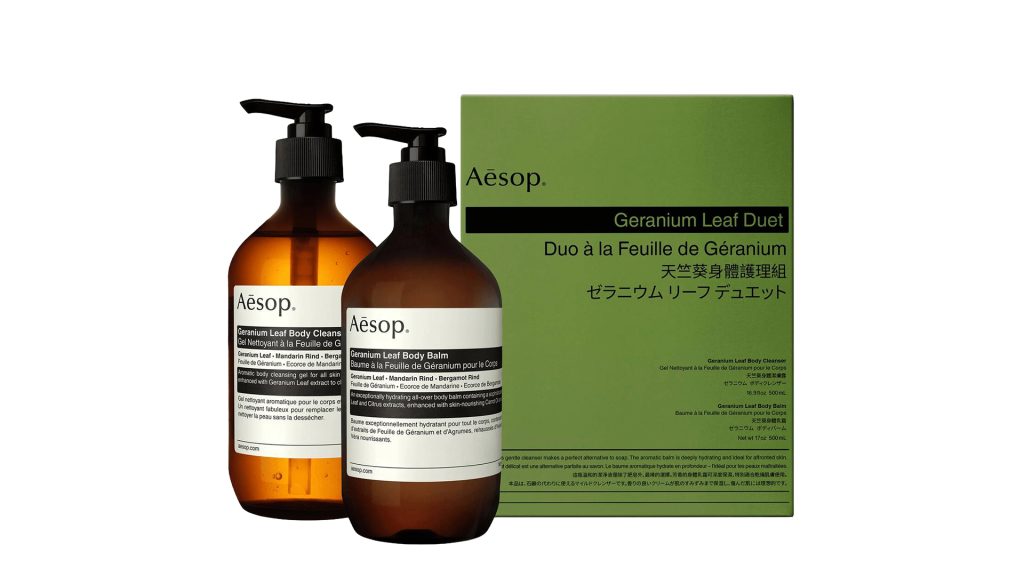
Brand Feature: Aesop — Building an Empire in Amber Glass
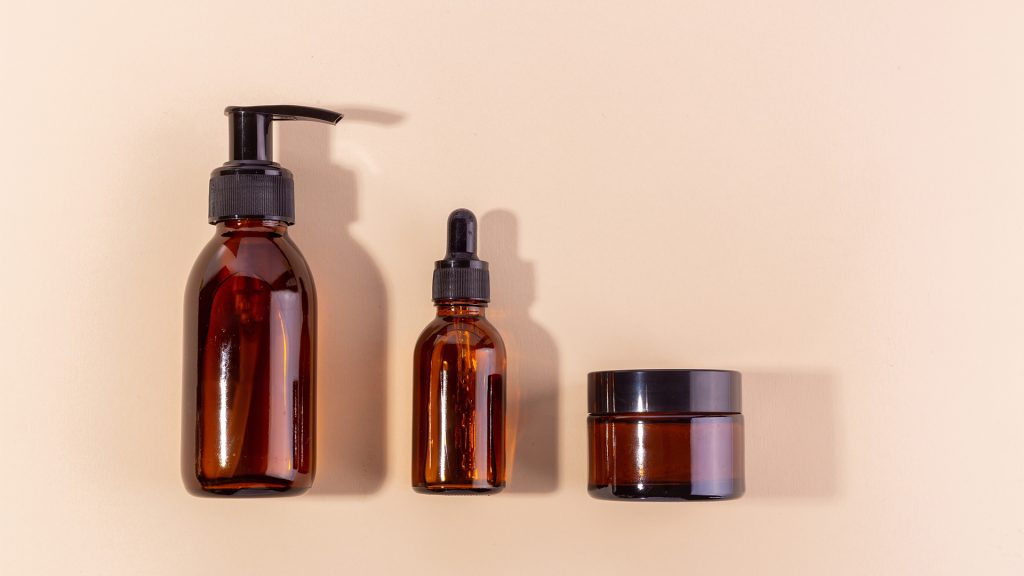
Few brands illustrate the power of glass packaging more clearly than Aesop, the Australian skincare company founded by Dennis Paphitis in Melbourne in 1987. Aesop’s signature amber glass bottles have become one of the most recognizable design elements in the global beauty industry. The brand chose amber glass not purely for aesthetics, but because it serves a critical functional purpose: protecting plant-based and botanical formulations from UV light degradation, which helps preserve ingredient efficacy without relying on additional artificial preservatives.
Aesop’s minimalist approach — clean typography on simple labels affixed to apothecary-style brown glass bottles — challenged conventional luxury beauty packaging, which had traditionally relied on ornate, flashy designs. The result was a brand identity built on quiet sophistication and transparency. Aesop became a certified B Corporation in 2020, reinforcing its commitment to sustainability and ethical practices, and its glass packaging plays a central role in that story. The glass is fully recyclable, and the design language communicates quality, heritage, and environmental consciousness in a single glance.
For entrepreneurs in beauty, wellness, or personal care, Aesop demonstrates that glass packaging can do more than protect a product — it can define a brand. Explore Aesop at www.aesop.com.

Brand Feature: Fever-Tree — Clear Glass That Signals Quality
Fever-Tree, the British premium mixer brand founded by Charles Rolls and Tim Warrillow in 2004, offers another compelling case study in glass packaging strategy. Rolls, a former managing director of Plymouth Gin, recognized that consumers were spending considerable money on premium spirits but mixing them with mass-produced, artificially sweetened tonic water. Fever-Tree set out to create all-natural mixers worthy of the spirits they accompany, and their clear glass bottles became an essential part of that premium positioning.
The brand’s glass bottles serve a dual purpose: they showcase the product’s clarity and purity while also preserving carbonation and freshness better than many plastic alternatives. The elegant, understated label design sits on glass that feels substantial in the hand, reinforcing the message that this is a mixer deserving of a place alongside premium spirits. Since launching its first product — Premium Indian Tonic Water — in 2005, Fever-Tree has grown into a global brand available in over 80 countries, with products listed in major retailers worldwide. The company went public on the London Stock Exchange in 2014, and its glass packaging has remained a cornerstone of the brand’s identity throughout its remarkable growth.
For food and beverage entrepreneurs considering glass packaging for bottled drinks, sauces, syrups, or condiments, Fever-Tree shows how a thoughtful glass bottle design can help establish credibility and command premium pricing in a competitive category. Learn more at www.fever-tree.com.
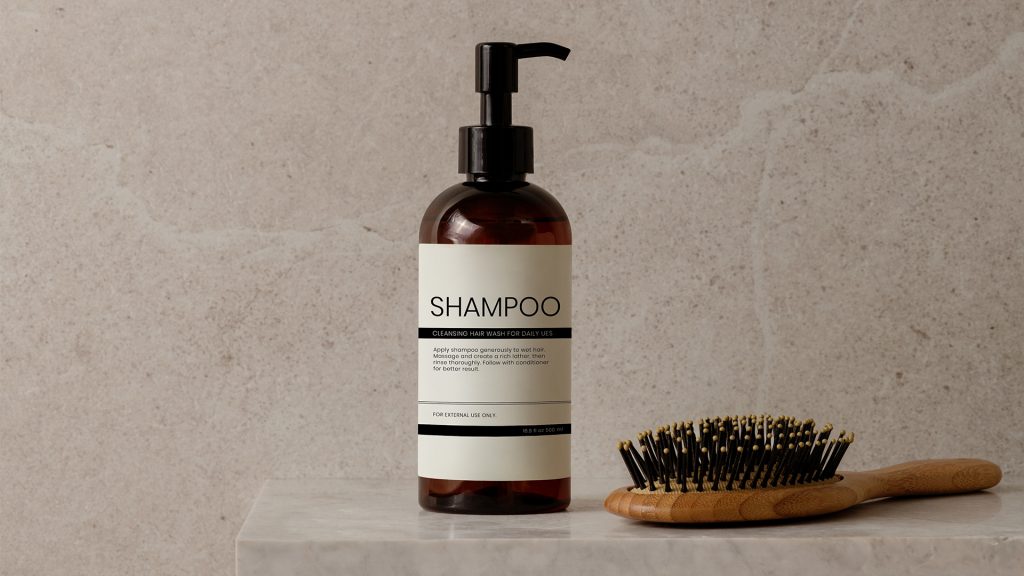
Why Plastic Packaging Dominates for Startup Scalability
While glass may carry more prestige, plastic packaging is the workhorse of the startup world — and for good reason. Plastic offers entrepreneurs a combination of low cost, light weight, durability, and design flexibility that is difficult to match with any other material. For many product categories, plastic packaging is the most practical choice for a brand that needs to scale quickly while keeping costs manageable.
The advantages of plastic packaging include:
- Lower cost per unit. Plastic bottles and jars are significantly less expensive than glass at nearly every order volume. For startups operating on tight margins, this cost differential can free up budget for marketing, product development, or inventory.
- Lightweight and durable. Plastic packaging dramatically reduces shipping weight, which translates directly into lower freight costs. It also resists breakage during transit, reducing waste and customer complaints.
- Design versatility. Plastic can be molded into virtually any shape, color, or size, giving brands tremendous creative freedom. Squeeze bottles, pump dispensers, flip-top caps, and spray nozzles are all readily available in plastic formats.
- Consumer convenience. Many consumers prefer the ergonomic feel and portability of plastic, especially for products used in the shower, on the go, or in the kitchen.
The trade-offs of plastic packaging include:
- Perception challenges. Some consumers associate plastic packaging with lower quality or have concerns about chemical leaching (particularly with certain resin types). Brands in the premium or natural product space may need to work harder to overcome these perceptions.
- Environmental scrutiny. Plastic recycling rates remain low — the EPA estimates that even the most recyclable PET containers are recycled at roughly 29% in the United States. Startups using plastic packaging should consider their sustainability messaging carefully and explore options like post-consumer recycled (PCR) resin.
- Product compatibility. Not all products perform equally well in plastic. Certain essential oils, solvents, and highly acidic formulations can degrade some plastic types over time.
BottleStore.com carries an extensive selection of wholesale plastic containers, including plastic bottles in round, square, cylinder, and cosmo round styles, as well as plastic jars in double-wall, single-wall, and display formats. From squeeze bottles for sauces and condiments to wide-mouth packer bottles for supplements and spices, BottleStore.com makes it easy to source plastic packaging in bulk at competitive prices — an essential advantage for growing brands managing tight budgets.
Brand Feature: Graza — Redefining a Category With a Squeeze Bottle
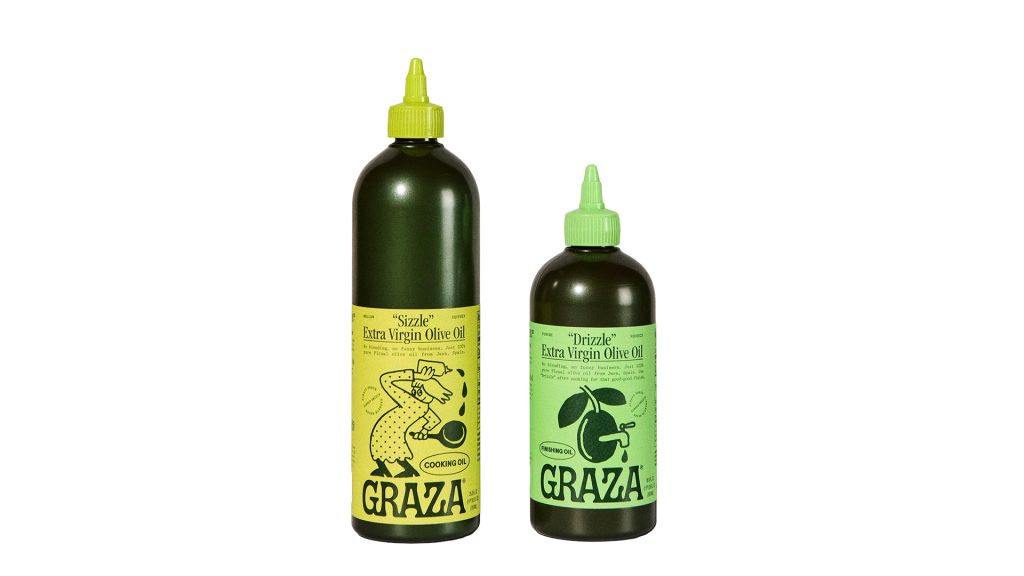
No recent startup has demonstrated the power of plastic packaging innovation quite like Graza, the single-origin olive oil brand founded by Andrew Benin and Allen Dushi and launched in 2022. Graza entered the U.S. olive oil market with a bold idea: put high-quality extra virgin olive oil in a squeezable plastic bottle inspired by the tools professional chefs already use in restaurant kitchens.
The result was two products — “Drizzle,” a finishing oil, and “Sizzle,” a cooking oil — both packaged in distinctive matte-finished plastic squeeze bottles with twistable dispensing tips. The plastic packaging was not just a cost-saving measure; it was a core brand differentiator. The squeeze format made olive oil feel approachable, fun, and easy to use, helping Graza attract a younger demographic that had never thought much about olive oil quality. The packaging became so integral to Graza’s identity that the brand’s Instagram bio featured the tagline “Fresh Squeezable Single Origin Olive Oil.”
The strategy paid off spectacularly. Graza sold out its initial inventory within the first week of launch and was on track to reach $60 million in sales by the end of 2024, according to Bloomberg. The brand secured shelf space at major retailers including Whole Foods, Costco, Kroger, Target, and Sprouts. Graza later expanded with aluminum can refills and, in 2025, even introduced glass bottle options — but the original plastic squeeze bottle remains the brand’s signature.
For food entrepreneurs weighing plastic packaging options, Graza proves that the right plastic format can disrupt an entire category and build a cult following. Visit www.graza.co.
Brand Feature: Dr. Bronner’s — Pioneering Sustainable Plastic Packaging
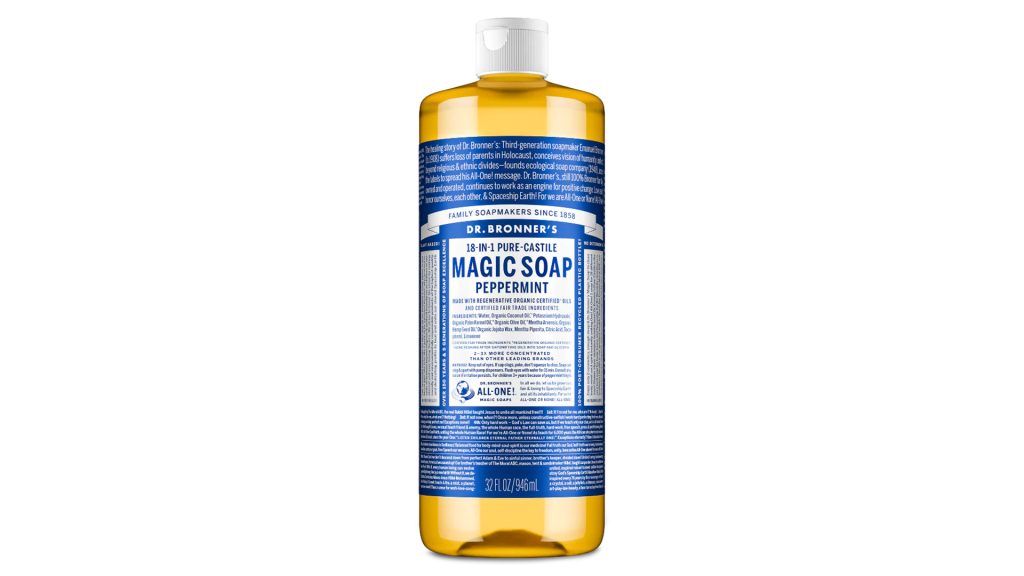
Dr. Bronner’s, the family-owned natural soap company founded in 1948, offers a different but equally instructive lesson in plastic packaging. As the number-one selling natural soap brand in North America — generating nearly $170 million in revenue in 2021 — Dr. Bronner’s has built its business around the practical advantages of plastic bottles while simultaneously pushing the boundaries of sustainable plastic packaging.
Dr. Bronner’s was one of the first American companies to package its liquid soaps in 100% post-consumer recycled (PCR) PET plastic bottles, a practice it pioneered more than fifteen years ago. Today, all of the brand’s plastic bottles are made from 100% PCR plastic, and 84% of all its plastic packaging comes from post-consumer recycled material. The company’s signature densely-labeled bottles — covered edge to edge with the philosophical writings of founder Emanuel Bronner — have become iconic in their own right, proving that plastic packaging can carry just as much brand personality as any other material.
Recognizing that even recycled plastic still contributes to environmental challenges, Dr. Bronner’s commissioned a life cycle analysis and subsequently launched paper-based refill cartons that use 82% less plastic than their standard 32 oz. bottles. This refill system encourages customers to reuse their durable PCR plastic bottles repeatedly, extending the packaging’s useful life.
For entrepreneurs who need the affordability and functionality of plastic packaging but want to build genuine sustainability credentials, Dr. Bronner’s offers a blueprint. Explore the brand at www.drbronner.com.
Metal Packaging: A Niche With Growing Appeal
Metal packaging may not dominate the market the way glass and plastic do, but it occupies a distinctive and increasingly popular niche — particularly for personal care products, cosmetics, candles, confections, and specialty items. Metal tins and containers offer a unique combination of durability, recyclability, and premium tactile appeal that resonates with certain product categories and consumer demographics.
The advantages of metal packaging include:
- Near-infinite recyclability. Steel and aluminum are among the most recycled materials on the planet, with steel boasting recycling rates that far exceed plastic. Metal packaging appeals strongly to environmentally conscious consumers.
- Product protection. Metal containers shield contents from light, air, and moisture, making them excellent for preserving the freshness and potency of balms, salves, waxes, dry goods, and similar products.
- Durability and portability. Metal tins are virtually unbreakable and lightweight enough for pockets, bags, and travel. This makes metal packaging ideal for on-the-go products.
- Premium and nostalgic appeal. Metal tins carry a vintage, artisanal quality that can differentiate a product on the shelf and encourage consumers to keep and reuse the container long after the product is gone.
The trade-offs of metal packaging include:
- Limited product compatibility. Metal is not suitable for all formulations. Highly acidic or corrosive products may react with the container, and metal is generally not appropriate for liquids that require pour spouts or pump dispensers.
- Higher minimum orders for customization. Custom-printed or embossed metal tins often require larger minimum order quantities than standard plastic or glass options, which can be challenging for very early-stage startups.
- Narrower product range. Metal packaging is best suited for solid, semi-solid, or dry products rather than the full range of liquids, gels, and creams that glass and plastic can accommodate.
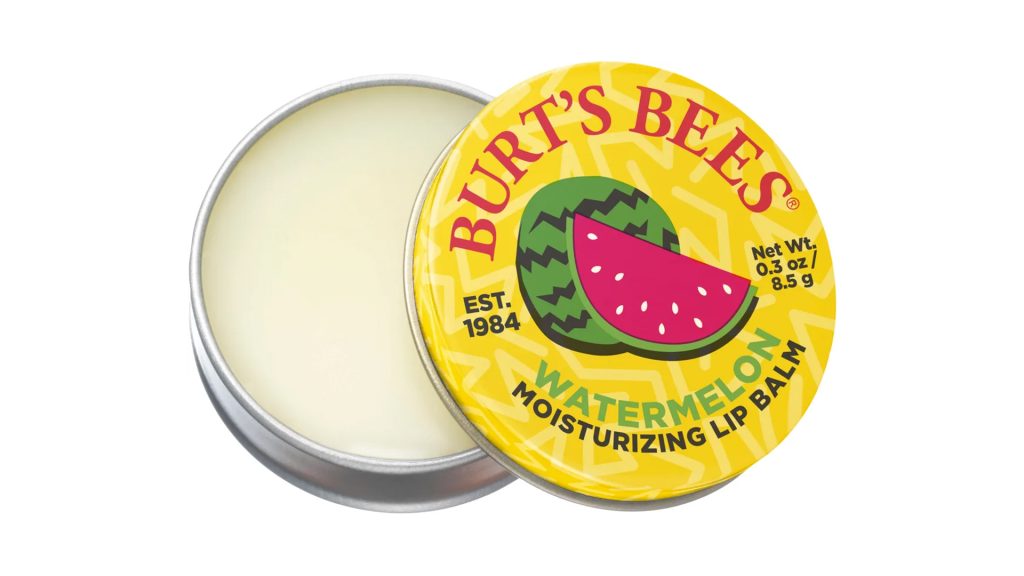
Brand Feature: Burt’s Bees — The Tin That Built a Legacy
Burt’s Bees is one of the most recognizable natural personal care brands in the world, and its iconic lip balm tin is a testament to the enduring power of metal packaging. Founded in the early 1980s by Burt Shavitz and Roxanne Quimby in rural Maine, the company began by selling beeswax candles and lip balm made from leftover honey. The small, round metal tin became the brand’s signature packaging format — a choice that perfectly aligned with the company’s nature-first ethos and commitment to sustainability.
The Burt’s Bees lip balm tin is constructed from tinplate steel, a material that is widely recyclable and can be recycled or reused indefinitely. The company’s commitment to sustainable metal packaging extends throughout its operations: Burt’s Bees achieved zero-waste-to-landfill status in 2010, designs all of its packaging to be recyclable or reusable, and uses an average of 30% post-consumer recycled content in its plastics and 71% in its paper. The brand has pledged to keep 1.5 million pounds of plastic out of the oceans, and its tin lip balm format is a tangible expression of that commitment — it holds twice the product of the tube version and encourages reuse.
For personal care entrepreneurs considering metal packaging for balms, salves, solid lotions, or similar products, Burt’s Bees demonstrates how a simple tin can become an iconic brand asset. Visit the brand at www.burtsbees.com.
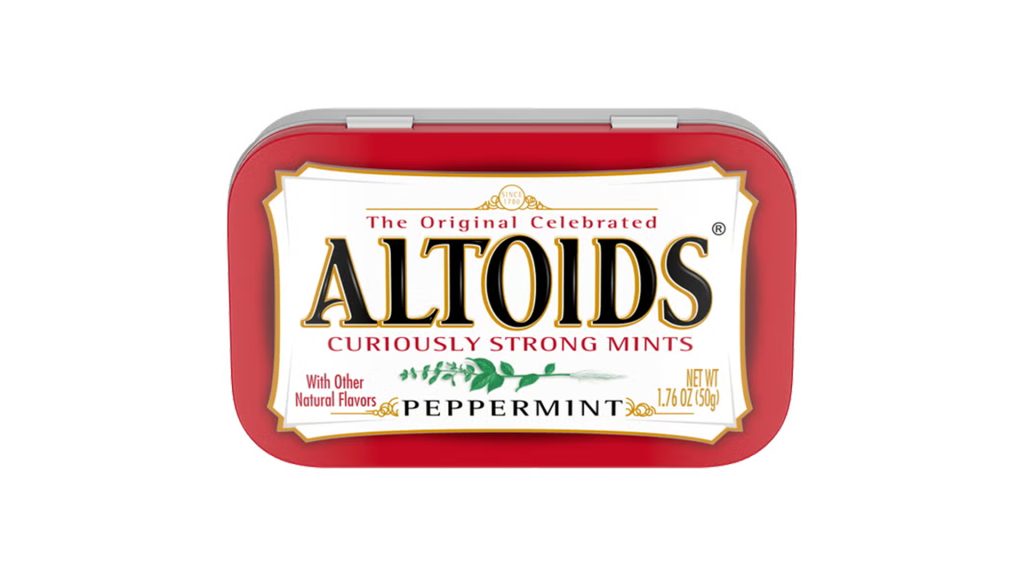
Brand Feature: Altoids — When the Package Becomes the Product
It is hard to discuss metal packaging without mentioning Altoids, the mint brand whose distinctive rectangular tin has become one of the most recognized packages in consumer goods history. Originally created in London in the 1780s as a medicinal lozenge, Altoids switched from cardboard boxes to metal tins in the 1920s. That decision proved transformative — the sturdy, embossed tinplate steel container not only protected the brittle peppermint lozenges but became inseparable from the brand itself.
The Altoids tin transcended its original purpose to become a cultural artifact. Consumers routinely keep and repurpose the tins for everything from storing small household items and sewing supplies to housing DIY electronics projects and mini survival kits. This afterlife extends the brand’s reach far beyond the point of purchase, turning every reused tin into an ongoing, low-cost brand impression. The tin’s premium feel — with its embossed logo, signature color scheme, and satisfying click of the lid — helped Altoids command premium pricing in a commodity category and become America’s leading breath mint in the 1990s.
For entrepreneurs in confections, specialty foods, or any category where portability and reusability matter, Altoids is proof that metal packaging can become a brand’s most valuable marketing asset. Learn more at www.altoids.com.
How to Choose the Right Material for Your Startup
With the pros and cons of glass packaging, plastic packaging, and metal packaging laid out, how do you make the right call for your specific product and brand? Here are some guiding questions to help you decide:
- What does your product require? Consider chemical compatibility, shelf-life needs, and whether your product is liquid, solid, or semi-solid. Glass packaging excels for light-sensitive liquids and premium formulations. Plastic packaging is ideal for squeezable, dispensable, or shatter-resistant applications. Metal packaging works best for solid or semi-solid products that benefit from light and moisture protection.
- What does your brand stand for? If sustainability and premium perception are core to your brand story, glass packaging or metal packaging may be the strongest fit. If accessibility, convenience, and scalability are your priorities, plastic packaging gives you the most flexibility.
- What is your budget? Plastic packaging is almost always the most cost-effective option at startup volumes. Glass packaging costs more but delivers premium positioning. Metal packaging falls in between, depending on customization needs.
- How will your product be shipped and used? Heavy, fragile glass increases shipping costs and breakage risk but feels luxurious in the hand. Lightweight plastic reduces logistics costs and is consumer-friendly. Metal is durable and travel-ready but limited in dispensing options.
Many successful brands use a combination of materials across their product lines. There is no rule that says you must commit to a single packaging material — in fact, offering your product in different formats can help you reach different customer segments and retail channels.

Finding the Right Packaging Partner
Choosing between glass, plastic, and metal is only part of the equation. Equally important is finding a packaging supplier that understands the unique needs of startups and small businesses — one that offers competitive wholesale pricing, a broad product selection, and the expertise to help you match the right container with the right closure for your specific product.
BottleStore.com specializes in serving entrepreneurs, small businesses, and growing brands across a wide range of industries, from food and beverage to health and beauty to home and industrial products. Our expansive inventory of glass bottles and jars, plastic bottles and jars, and an enormous selection of caps and closures makes it possible to source everything you need from a single supplier. With packaging options organized by industry, container type, and capacity, BottleStore.com simplifies the search process so you can spend less time sourcing and more time building your brand.
Whether you are filling your first hundred bottles or scaling to your first hundred thousand, the packaging material you choose will shape how the world experiences your product. Glass packaging communicates heritage and purity. Plastic packaging delivers affordability and versatility. Metal packaging offers durability and nostalgic charm. The right choice is the one that serves your product, speaks to your customer, and supports the long-term vision of your brand — and with the right packaging partner, bringing that vision to life is well within reach.