
Shelf Life Starts with the Container: How Packaging Protects Your Product
Getting Started: Your First Packaging Decisions
Every product has an expiration point — a moment when flavor fades, potency diminishes, or texture breaks down beyond what a customer will accept. That moment is defined by shelf life, and for entrepreneurs getting started with a new brand, few decisions will influence shelf life more directly than the container you choose to fill. Before you design a label, before you finalize a formula, and before you pitch your product to a single retailer, the packaging you select will determine how long your creation remains viable on the shelf, in a warehouse, and in a customer’s home.
Shelf life is not simply a date stamped on a label. It represents the entire window during which a product maintains its intended quality, safety, and effectiveness under normal storage conditions. That window is shaped by the product’s inherent chemistry, the environment it passes through during distribution, and — critically — the protective barrier its packaging provides. Temperature swings during transit, humidity in a warehouse, ultraviolet light on a retail shelf, and the slow creep of oxygen through an imperfect seal all chip away at freshness. The packaging that surrounds your product is the frontline defense against every one of those threats.
For entrepreneurs who are getting started in industries ranging from food and beverage to personal care, nutraceuticals, and beyond, understanding the relationship between container selection and shelf life is foundational knowledge. This is not a topic that can be deferred to a later stage of business planning. Getting started with the wrong packaging can mean shortened shelf life, wasted inventory, disappointed customers, and a damaged brand reputation before your company even gains traction. This article — part of the series “Getting Started: Your First Packaging Decisions” — explores the science behind how packaging protects your product, examines how real brands have leveraged container choice to maximize shelf life, and offers practical guidance for entrepreneurs navigating this essential decision.
Why Shelf Life Should Be Your Starting Point When Getting Started
Many first-time product creators focus their early energy on formulation, branding, and marketing. Packaging, if considered at all, is often treated as the final step — a visual shell to dress up the finished product. That approach inverts the correct order of operations. As Packaging World has noted in its coverage of shelf-life testing, the clock on shelf life begins the moment a product is packaged, and the container itself is one of the key factors that determines how long that clock runs.
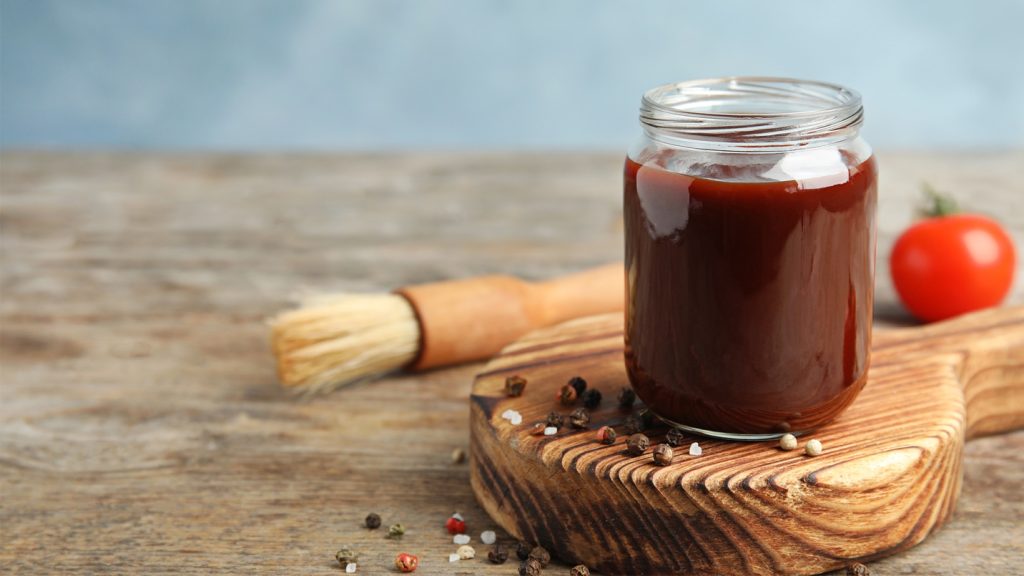
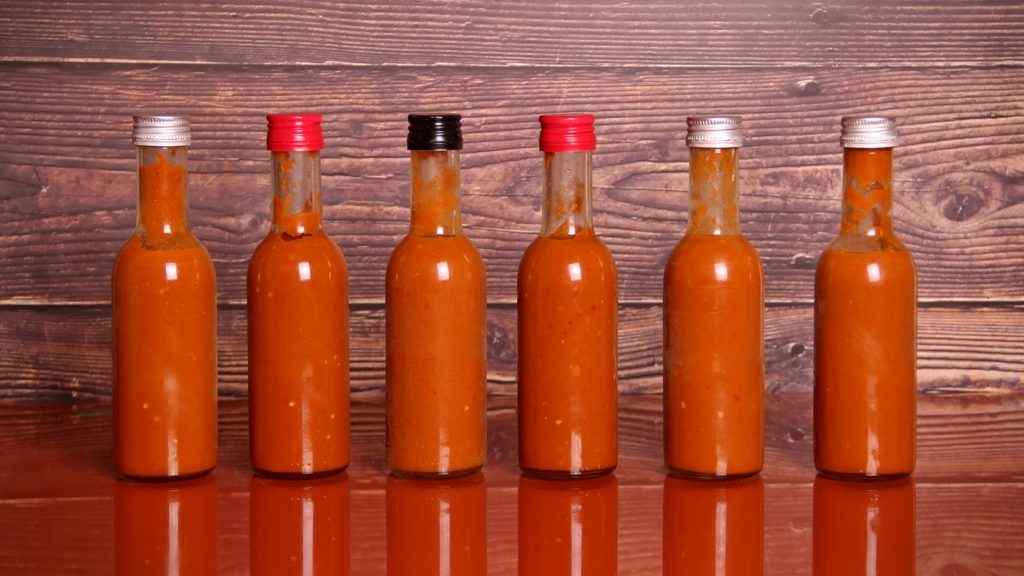
Think of it this way: a beautifully branded hot sauce poured into a container that allows oxygen infiltration will lose its vibrant color and develop off-flavors within weeks. The same sauce, filled into a properly sealed glass bottle with a lined closure, can maintain its quality for a year or more. The difference is not in the recipe. The difference is in the packaging’s ability to protect the product from degradation.
When you are getting started with your first product line, your packaging decisions should be informed by the specific threats your product faces. Those threats generally fall into a handful of categories: oxygen exposure, moisture gain or loss, light degradation, microbial contamination, and physical damage during shipping. The right container addresses each applicable threat while also fitting your brand aesthetic and production budget. The wrong container fails silently — your product looks fine on the outside while its quality erodes on the inside.
The Science of How Packaging Protects Against Degradation
Understanding why certain containers extend shelf life requires a basic grasp of the mechanisms that cause products to break down. Across food, beverage, pharmaceutical, and personal care categories, the primary enemies of shelf life are remarkably consistent.
Oxygen and oxidation. When oxygen interacts with fats, oils, vitamins, and volatile flavor compounds, it triggers chemical reactions that produce rancidity, discoloration, and loss of potency. This is especially significant for products with high fat content — such as nut butters, cooking oils, and cream-based cosmetics — where oxidation can render a product unpalatable or ineffective in a matter of weeks. Packaging protects against oxidation by creating a sealed barrier between the product and the surrounding atmosphere. Glass containers are inherently excellent oxygen barriers. Certain plastics, particularly PET, also offer strong barrier properties when paired with the right closure. BottleStore.com carries an extensive range of both glass and plastic bottles engineered for airtight sealing.
Moisture. Products can degrade both by absorbing unwanted moisture from the environment and by losing their own internal moisture. A spice blend that absorbs humidity becomes caked and clumpy. A baked good that loses moisture becomes stale. Packaging protection against moisture relies on both the container material and the integrity of the closure. Well-sealed containers with moisture-resistant liners are essential for any product where water activity plays a role in shelf life.
Light. Ultraviolet radiation is one of the most underestimated threats to shelf life, particularly for products containing plant extracts, essential oils, vitamins, hop compounds, and other photosensitive ingredients. UV light accelerates chemical reactions that degrade color, flavor, aroma, and therapeutic potency. This is where container color becomes a functional — not merely aesthetic — decision, a topic explored in depth below.
Microbial growth. Bacteria, molds, and yeasts require specific conditions to flourish, and packaging protects against contamination by maintaining a sealed, controlled environment. Seal integrity is paramount: a container with a compromised seal, no matter how premium the material, can allow microorganisms to enter and colonize the product. This is why closure selection deserves as much attention as container selection when getting started with packaging decisions.
Physical damage. A cracked bottle, a dented tin, or a crushed box compromises every other protective function the packaging was designed to provide. Beyond the direct risk of contamination, damaged packaging also erodes consumer confidence — many shoppers will refuse to purchase a product that appears to have been mishandled, even if the contents remain safe. Packaging protection against physical damage is a function of material strength, container geometry, and secondary packaging strategy.
How Real Brands Use Container Choices to Maximize Shelf Life
The interplay between packaging and shelf life is not abstract theory. Real brands across multiple industries have built their success partly on the strength of smart container decisions. For entrepreneurs getting started in these same categories, these examples offer practical lessons.
Sierra Nevada Brewing Co. — Amber Glass and the Fight Against “Skunking”
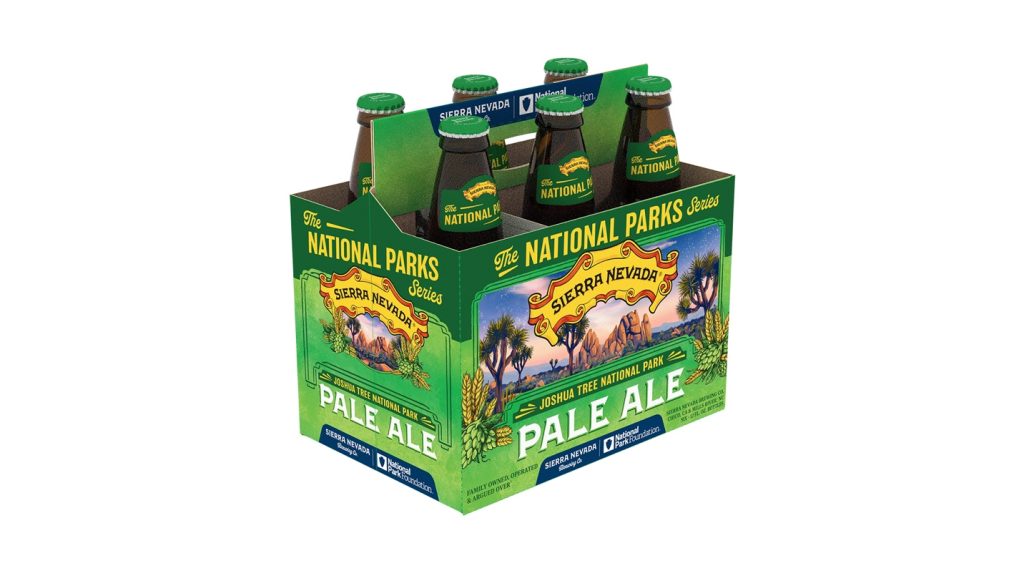
Sierra Nevada Brewing Co., founded in 1980 in Chico, California, is one of the most respected names in American craft beer. The brewery has long been outspoken about the importance of freshness, going so far as to implement packaged-on dating across its bottle and can lineup to help wholesalers, retailers, and consumers track product age. Under ideal storage conditions — kept below 45°F and away from direct light — most Sierra Nevada beers maintain their intended flavor profile for approximately 150 days from the packaging date.
The brewery’s choice of amber glass bottles is not incidental to that shelf life figure. Beer is acutely vulnerable to a phenomenon known as “skunking,” or lightstruck flavor, which occurs when UV and blue-violet light interact with hop-derived compounds called isohumulones. The reaction produces 3-methyl-2-butene-1-thiol, a sulfur compound that gives affected beer a distinctly unpleasant aroma. Amber glass blocks nearly all UV radiation and a significant portion of blue light below 450 nanometers, making it far more effective at preventing this reaction than green or clear glass. Sierra Nevada’s commitment to amber glass packaging protects the complex hop character of beers like Pale Ale and Torpedo, ensuring that customers experience the flavor the brewers intended. For entrepreneurs getting started in the craft beverage space, this example underscores a critical point: packaging protection is not just about keeping a product safe — it is about preserving the sensory experience that defines your brand.
BottleStore.com offers a range of amber glass bottles suitable for craft beer, kombucha, cold-brew coffee, and other light-sensitive beverages.
GT’s Living Foods — Glass Bottles for a Living Product
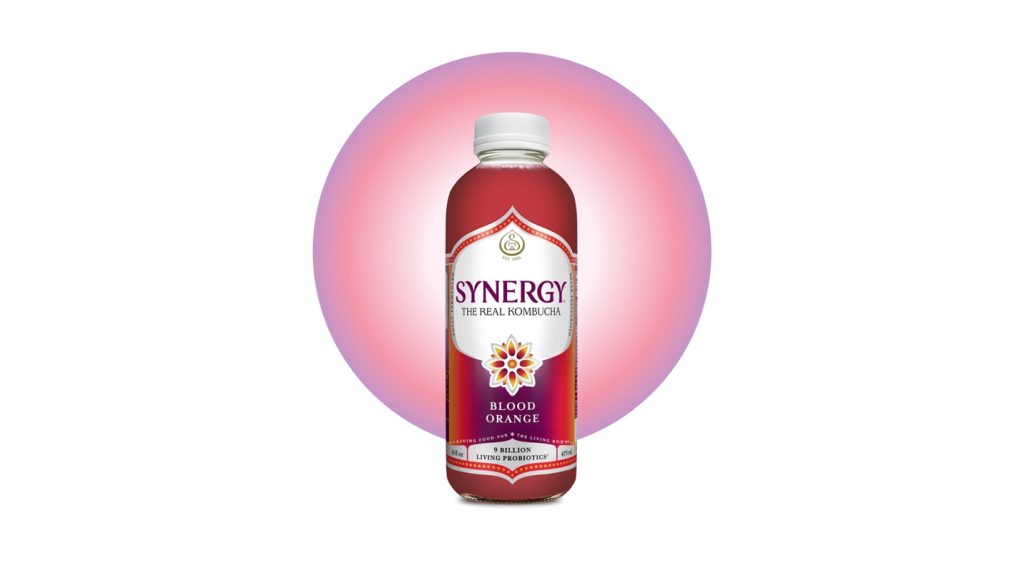
GT’s Living Foods, the brand behind GT’s Kombucha, faces a packaging challenge that goes beyond conventional shelf life concerns. Kombucha is a living, fermented product containing active cultures, organic acids, and natural carbonation. The packaging must protect the product from light and oxygen while also withstanding the internal pressure generated by ongoing fermentation. GT’s has relied on glass bottles to meet both requirements. Glass is chemically inert — it does not interact with the acidic kombucha, does not absorb flavors, and does not leach compounds into the liquid. Its rigidity provides the structural integrity needed to contain carbonation safely, and its impermeability to gases ensures that the product’s delicate microbial balance remains intact throughout its shelf life.
For new beverage entrepreneurs getting started with fermented or carbonated products, the lesson from GT’s is that packaging protection must account for the product’s living chemistry. A container that works well for a still, shelf-stable liquid may fail entirely when used for a product that generates internal pressure or requires a specific pH range to remain safe. BottleStore.com’s food and beverage container catalog includes glass options specifically suited to kombucha and other fermented beverages.
Aesop — Amber and Tinted Glass in Premium Skincare
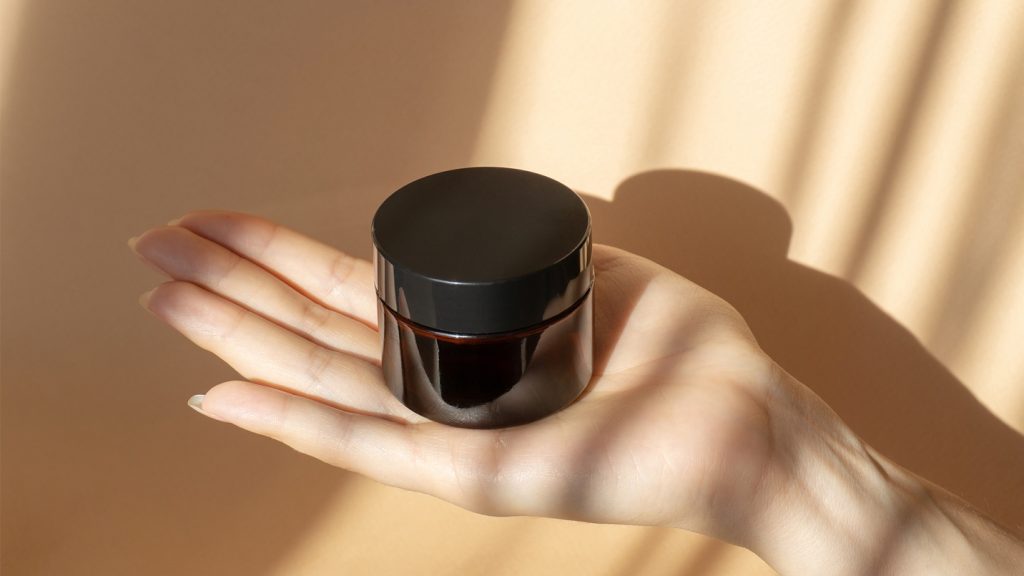
The Australian skincare brand Aesop has built a global reputation not only for its formulations but for its deliberately understated packaging. Aesop routinely packages its serums, oils, and tinctures in amber and dark-tinted glass bottles paired with dropper or pump closures. This is not purely an aesthetic decision. Many of Aesop’s formulations rely on plant-based actives, antioxidants, and botanical extracts that are highly susceptible to photodegradation. Vitamin C derivatives, for example, are notoriously unstable and can lose potency rapidly when exposed to light. By selecting amber glass, Aesop’s packaging protects these sensitive ingredients from UV-induced breakdown, extending the shelf life of formulations that might otherwise degrade within weeks of manufacture.
The brand’s approach demonstrates how packaging protection can serve double duty — preserving product efficacy while simultaneously reinforcing a brand identity rooted in thoughtful, premium design. For entrepreneurs getting started in the skincare or personal care space, BottleStore.com offers a range of cosmetic containers and aromatherapy bottles in amber and cobalt blue glass — both of which provide significant UV-blocking capabilities to extend the shelf life of light-sensitive formulations.
Choosing the Right Container Material for Your Shelf Life Needs
When getting started with packaging selection, the choice of container material is arguably the most consequential decision you will make. Each material offers a distinct set of protective properties, and the best choice depends on your product’s specific vulnerabilities.
Glass Packaging is the gold standard for products where chemical inertness, impermeability, and light protection are priorities. Glass does not interact with its contents, does not allow gases to permeate through its walls, and — in tinted varieties like amber and cobalt blue — blocks UV radiation that shortens shelf life. It is also infinitely recyclable, which aligns with growing consumer demand for sustainable packaging. The tradeoffs are weight and fragility, both of which can increase shipping costs and breakage risk. BottleStore.com’s glass container inventory includes bottles, jars, and jugs in multiple colors, sizes, and shapes suited to virtually any product category.
Plastic Packaging offers advantages in weight, durability, and cost that make it the preferred material for many product types. PET plastic, in particular, provides good clarity, reasonable barrier properties, and compatibility with a wide range of product chemistries. HDPE is commonly used for products that require chemical resistance, such as household cleaners and industrial chemicals. When paired with appropriate closures and liners, plastic containers can deliver shelf life performance that rivals glass in many applications. BottleStore’s plastic bottle selection spans PET, HDPE, and other resin types, with options for industries from food to chemical packaging. For brands that prioritize sustainability, BottleStore.com also offers recycled plastic bottles manufactured with post-consumer resin, allowing entrepreneurs to extend shelf life while telling a sustainability story.
Metal Packaging — including aluminum and tinplate — provides an absolute barrier against light, oxygen, and moisture, which is why canned foods routinely achieve shelf life measured in years. Metal is less common for small-batch entrepreneurs getting started, but it remains relevant for specific applications such as aerosol products, specialty tins, and industrial containers.
The Overlooked Role of Closures in Packaging Protection
A common mistake among first-time product creators is investing heavily in the container while treating the closure as an afterthought. In reality, the weakest link in most packaging systems is the seal between container and cap. If the closure fails to create a complete barrier, every protective property of the container itself is compromised — oxygen enters, moisture escapes, and microorganisms find a pathway in.
Seal integrity is among the most important factors in determining real-world shelf life. A glass bottle with a poorly fitted cap may perform no better than an open jar. This is why BottleStore.com pairs its containers with a wide selection of closures — including screw caps with liners, dispensing caps, flip tops, lotion pumps, fine mist sprayers, child-resistant closures, and orifice reducer plugs — designed to maintain a tight seal that extends shelf life for the full duration of your product’s intended distribution cycle. Investing time in closure testing during the getting started phase can prevent costly shelf life failures after launch.
Packaging, Shelf Life, and the Economics of Waste Reduction
Extending shelf life through smart packaging is not just a quality concern — it is a financial imperative. Products that expire before they are sold represent pure waste: lost raw material costs, wasted production labor, and discarded packaging that delivers no return on investment. According to U.S. Environmental Protection Agency (EPA) estimates, food waste alone accounts for over 76 billion pounds of material reaching landfills annually. While individual entrepreneurs cannot solve a systemic problem of that scale, every brand that extends its shelf life through effective packaging protection contributes to reducing waste and improving the economics of the supply chain.
For small businesses and startups, the financial impact of shortened shelf life is amplified. A large CPG company can absorb the cost of spoiled inventory across a massive product portfolio. A startup with a single product line cannot. This makes the packaging protection decision even more consequential for entrepreneurs getting started — the right container does not just preserve your product, it preserves your margin.
Getting Started with Shelf Life Testing and Container Validation
Choosing a container is not the end of the process — it is the beginning of validation. Before committing to a full production run, entrepreneurs should conduct shelf life testing to confirm that their chosen packaging actually delivers the protection their product requires. Shelf life testing involves storing the packaged product under controlled conditions and evaluating it at regular intervals for changes in sensory quality, chemical stability, microbial safety, and physical integrity.
Accelerated aging tests can compress months of real-time data into weeks by exposing packaged samples to elevated temperatures and humidity levels. However, real-time studies conducted over the full intended shelf life remain the most reliable method for confirming packaging performance. The goal is to ensure that your packaging protects the product through the end of its labeled shelf life, with a safety buffer that accounts for the variability of real-world storage conditions.
BottleStore.com offers sample quantities across its full inventory, making it straightforward for entrepreneurs to test different container-and-closure combinations before scaling up. This sample-first approach is one of the most cost-effective strategies available when getting started — it surfaces potential shelf life issues before they become expensive production problems.
Building a Brand That Lasts — Starting with the Container
The relationship between packaging and shelf life is not a detail to be optimized later. It is a foundational decision that shapes product quality, consumer trust, brand reputation, and profitability from day one. As publications like Packaging Digest and The Dieline continue to document, the most successful brands in the market treat their packaging as an integral part of the product itself — not as a wrapper applied at the end.
For entrepreneurs navigating their first packaging decisions, the path forward begins with understanding your product’s specific vulnerabilities, selecting a container material and closure system that provides adequate packaging protection against those threats, and validating your choice through shelf life testing before scaling production. The container you choose is not just a vessel — it is the mechanism that determines whether your product arrives in the customer’s hands in the same condition it left your facility. Shelf life starts with the container. And getting started with the right container, from a trusted partner with the breadth of inventory and packaging expertise to support your growth, is one of the most consequential decisions any new brand can make.
BottleStore.com specializes in furnishing entrepreneurs, small businesses, and growing brands with glass and plastic bottles, jars, jugs, and closures across dozens of industries. Browse the industry container catalog to find the packaging solution that will protect your product, extend its shelf life, and help your brand thrive.