
Co-Packing 101: What to Know About Packaging Requirements Before Hiring a Co-Packer
Growing a product-based business from a kitchen counter or garage workshop into a brand stocked on retail shelves is one of the most exciting transitions an entrepreneur can make. But somewhere between hand-filling your hundredth bottle and fielding your first major wholesale order, a hard truth tends to surface: you simply cannot scale production on your own. Mixing, filling, capping, labeling, and shipping every unit yourself eats time, caps your revenue, and exposes your brand to inconsistency. That is where co-packing enters the conversation, and for thousands of growing brands, it becomes the pivot point between being a side hustle and becoming a serious business.
Co-packing, short for contract packaging, is the practice of outsourcing all or part of your production and packaging process to a specialized third-party manufacturer. A co-packer might handle the entire operation — sourcing ingredients, blending your formula, filling containers, sealing, labeling, casing, and palletizing — or they might focus on a single stage, such as filling and capping bottles you provide. Either way, partnering with a co-packer can unlock production capacity, professionalize your output, and free you up to focus on branding, sales, and growth.
However, before you sign a single contract or ship a pallet of components, you need a thorough understanding of your packaging requirements. Co-packers are not magicians; they cannot retrofit your dream container into their existing equipment, and they will not absorb the cost of your unpreparedness. The brands that succeed in co-packing relationships are the ones that walk in with clarity on their packaging, their volume, their formula, and their regulatory landscape. This guide breaks down exactly what you need to know before hiring a co-packer, so you can negotiate from a position of strength and avoid the costly mistakes that derail so many emerging brands.
What Co-Packing Actually Means for a Growing Brand
At its core, co-packing is a manufacturing partnership. You bring the recipe, the brand, and the orders; the co-packer brings the facility, the equipment, the certifications, and the trained labor. Most co-packers fall into one of two camps. Full-service co-packers handle everything from raw material procurement through finished, palletized goods ready for distribution. Tolling or fill-and-pack co-packers expect you to supply some or all of the components — including the bottles, caps, labels, and sometimes the bulk product itself — and they simply run your materials through their lines.
Which model you choose has enormous implications for your packaging requirements. A full-service co-packer may have preferred suppliers and a limited list of container styles their equipment can accommodate, which can constrain your branding choices. A tolling co-packer offers far more creative freedom because you source your own glass containers or plastic containers, but you also carry the responsibility of forecasting, ordering, and warehousing those components. Knowing which model fits your stage and your budget is the first decision in any co-packing journey.

Why Packaging Requirements Make or Break a Co-Packing Relationship
Ask any seasoned co-packer what kills a project before it starts and the answer is almost always the same: poorly defined packaging requirements. Co-packing lines are built around standardization. A filler designed for a 16-ounce round bottle with a 38-millimeter neck finish cannot pivot to a square apothecary jar with a cork stopper without significant retooling — and retooling is expensive, time-consuming, and often passed directly back to you in the form of changeover fees.
Before you approach a co-packer, you should be able to answer the following with precision:
- Container dimensions and weight, including height, diameter, and base footprint
- Neck finish specification (the exact thread style and size, such as 28-400 or 38-2000)
- Material — flint glass, amber glass, PET, HDPE, PP, or another resin
- Fill volume and headspace requirements
- Closure type, whether a continuous thread cap, child-resistant closure, dropper, pump, sprayer, or trigger
- Induction sealing, tamper-evident bands, or shrink sleeves needed for compliance or shelf appeal
- Label dimensions and application method (pressure-sensitive, shrink sleeve, or hot stamp)
- Case pack count, case dimensions, and pallet configuration
If any of those specifications are vague, your co-packer will fill in the blanks for you — and the blanks they choose may not align with your brand vision or your retail buyer’s expectations.
Matching Your Container to a Co-Packer’s Equipment
One of the most common pitfalls new brands face is falling in love with a container that no local co-packer can run efficiently. Custom or unusually shaped bottles look gorgeous in mock-ups, but they often require hand-filling or specialized tooling, which can double or triple your per-unit cost. Stock packaging, by contrast, is engineered to run on standard equipment, which keeps line speeds high and unit costs low.
The smart play for most emerging brands is to choose a distinctive but production-friendly stock container, then differentiate through label design, closure choice, and color. Wholesale suppliers like BottleStore.com offer extensive ranges of stock bottles, jars, and jugs in dimensions and neck finishes that co-packers already know how to run. Picking from a proven catalog dramatically shortens the qualification process, because your co-packer’s engineers can confirm compatibility in minutes rather than weeks.
If you must use a custom mold, build that decision into your timeline and your budget. Tooling fees, minimum order quantities measured in tens of thousands of units, and line trials all add months to your launch. Many founders find that their growth accelerates when they launch in stock packaging, build revenue, and reinvest in custom tooling later.
Industry-Specific Packaging Requirements Co-Packers Will Ask About
The packaging requirements that matter most depend heavily on the category you are producing in. Co-packers specialize, and a beverage co-packer is not interchangeable with a cosmetics co-packer. Below are the key considerations by sector.
Food and Beverage Co-Packing
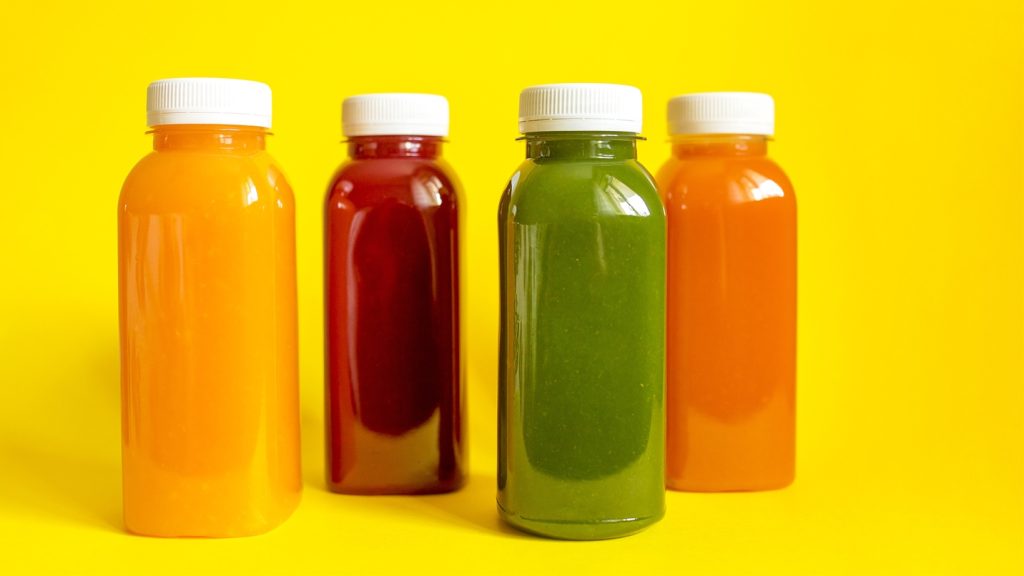
For food and beverage brands, your co-packer will need to know whether your product is shelf-stable, hot-filled, cold-filled, pasteurized, or HPP-treated (high-pressure processed). Each method imposes different requirements on the container. Hot-fill juices, for example, need bottles engineered to withstand thermal stress without panel collapse. Carbonated beverages require pressure-rated bottles and specific closures. Cold-pressed juice brands typically run on HPP-compatible PET or glass bottles, and many co-packers in this space have a short list of approved containers. Spirits brands face their own constraints around bar-top closures, T-corks, and ROPP aluminum closures, all of which require different capping heads.
Health and Beauty Co-Packing
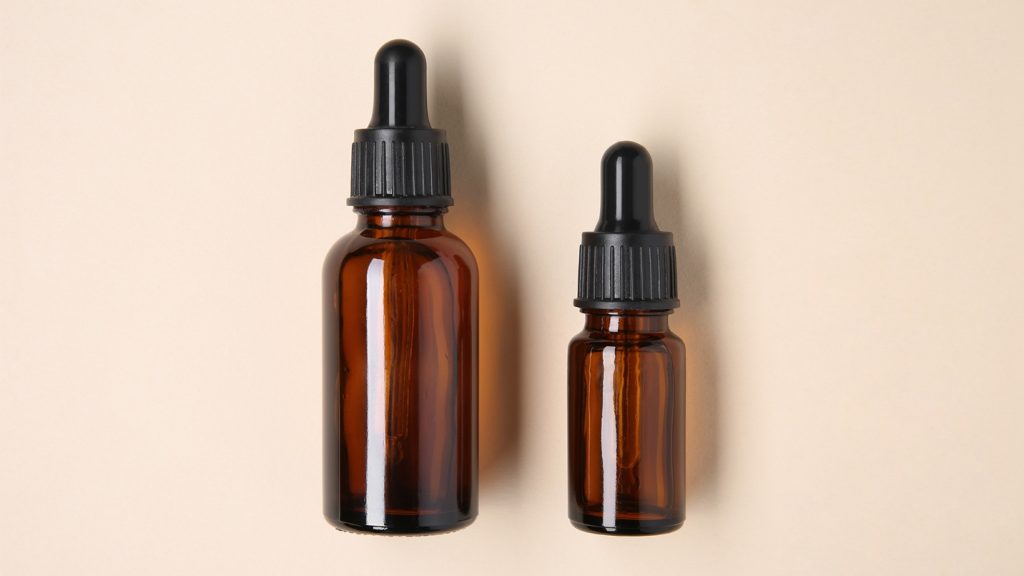
Personal care and cosmetics co-packers operate under tighter cosmetic GMP standards and often requirecontainers designed for the health and beauty space. Pumps, droppers, treatment pumps, and disc-top caps all behave differently on automated filling and capping lines. A co-packer will want to know your viscosity, your compatibility testing results, and whether your formula reacts with certain plastics. Serums, oils, and tinctures frequently require glass dropper bottles with calibrated pipettes, while shampoos and lotions typically run in HDPE or PET bottles with disc-top or pump closures.
Home, Industrial, and Hospitality Co-Packing
Cleaning products, candles, and hospitality amenities each have their own packaging requirements. Trigger sprayers must be matched to neck finishes and dip-tube lengths. Concentrated chemicals require resin compatibility testing. Candles need vessels rated for the heat of your wax and wick combination. These details all need to be locked down before a co-packer can quote accurately.
Real-World Examples of Brands That Got Packaging Right Before Scaling
Looking at successful brands offers a useful lens on how packaging decisions intersect with co-packing strategy.
Health-Ade Kombucha is a frequently cited case study in disciplined scaling. The brand was founded in 2012 at a Los Angeles farmers market and made the strategic choice to brew exclusively in glass bottles, citing both flavor preservation and brand positioning. As Health-Ade expanded beyond their own facility and brought co-packers into the production network, they maintained tight packaging specifications around their signature 16-ounce glass bottles and proprietary cap design. That consistency allowed them to scale into tens of thousands of retail doors without diluting brand recognition, and it is a clear example of why standardizing your packaging specs early pays compounding dividends.
Liquid Death offers a different lesson. The mountain water brand built its viral identity around a tallboy aluminum can rather than the standard plastic water bottle. By committing to a single, distinctive package format from day one, the company gave its co-packers a clear, repeatable spec to execute. The lesson for emerging glass and plastic brands is the same: a focused, well-defined package is easier to scale than a sprawling product line of mismatched containers.
Olipop, the prebiotic soda brand, grew from direct-to-consumer roots into nationwide retail by partnering with beverage co-packers and standardizing on a 12-ounce can. While their format differs from glass, the underlying discipline — choosing one core package, nailing the specifications, and letting co-packing partners execute at scale — is exactly the model glass and plastic brands should emulate. For founders pursuing a similar trajectory in glass, BottleStore.com offers stock options like the Glacier spirits bottle, and a wide range of glass jars that are engineered for standard co-packing equipment.
Forecasting, Minimums, and Component Lead Times
Co-packers operate on minimum order quantities, and those minimums are tied directly to your packaging requirements. A typical beverage co-packer may require a minimum run of 5,000 to 20,000 units per SKU. That means you need 5,000 to 20,000 bottles, the matching caps, labels, cases, and shrink film all delivered to the co-packer’s dock before your scheduled run date.
Component lead times vary widely. Stock glass and plastic bottles from a domestic wholesaler can often ship within days, while custom-molded containers may take 12 to 20 weeks. Caps and closures from a wholesale source like BottleStore.com’s caps and closures catalog are generally faster to source than custom-decorated equivalents. Labels, depending on your finish and printer, can run from one to six weeks. Building a realistic timeline that accounts for the slowest component is non-negotiable.
Sourcing from North American manufacturers can significantly compress lead times and reduce the risk of shipping delays or tariff surprises that have disrupted many import-dependent brands in recent years.
Documentation Your Co-Packer Will Expect
Before a co-packer agrees to run your product, expect to provide a documentation package that typically includes a master formula or batch record, a finished product specification, a Certificate of Analysis template, ingredient specifications and Safety Data Sheets, regulatory documentation appropriate to your category (FDA registration, TTB approvals for alcohol, EPA registration for cleaning products, and so on), and packaging specs with technical drawings for every component. The more organized this package is, the faster your project moves through their onboarding pipeline.

Building a Co-Packing Relationship That Lasts
Treating your co-packer as a partner rather than a vendor is the single most important mindset shift for a growing brand. Visit the facility before signing. Walk the lines. Meet the quality team. Ask how changeovers are handled, how short shipments are reconciled, and how they communicate during production runs. Bring sample components from your wholesale supplier and ask the co-packer’s engineers to confirm they will run cleanly on their equipment. A reputable wholesale partner like BottleStore.com can provide support in pulling specifications, dimensional drawings, and samples to share with your co-packer during qualification.
The brands that scale successfully are the ones that treat packaging as a strategic discipline rather than an afterthought. By clarifying your packaging requirements, choosing production-friendly containers, understanding your category’s technical demands, and forecasting components against realistic lead times, you give your co-packer everything they need to make your brand look — and perform — like the serious business you intend it to become. The handoff from founder-led production to co-packed manufacturing is one of the defining moments in a brand’s life. Walk into it prepared, and you will not just survive the transition; you will set the foundation for years of profitable, scalable growth.