
Building a Beauty Brand on a Budget: Packaging Essentials for Skincare and Body Care Startups
The beauty industry has never been more accessible to independent founders. Indie brands now command a growing share of the global market, fueled by direct-to-consumer channels, social media communities, and consumers who are increasingly willing to try products from brands they’ve never heard of — as long as the product delivers and the presentation feels right. But while the barriers to entry have lowered, the financial realities of launching a beauty line remain very real. Formulation costs, regulatory compliance, marketing spend, and one of the most consequential line items of all — packaging — demand careful planning from day one.
Here’s the tension every startup founder faces: today’s beauty consumer expects a product that looks and feels premium from the moment it arrives. Packaging is the vehicle for that first impression. It signals quality, communicates brand values, and shapes purchasing decisions before a single drop of serum or scoop of body butter ever touches the skin. Yet founders building a beauty brand on a lean budget often assume they need custom molds, luxury finishes, or elaborate unboxing experiences to compete. That assumption is wrong — and the most successful indie brands in recent history prove it.
Building a beauty brand doesn’t require a massive packaging budget. It requires strategic decisions about where to invest and where to economize. The right skincare packaging or body care packaging can project professionalism and reinforce brand identity without draining startup capital. The key is understanding which container formats your products actually need, sourcing those containers affordably through wholesale partners like BottleStore.com, and channeling your creative energy into branding elements — labels, color palettes, typography — that make standard containers feel distinctly yours.
This article walks through real brand case studies, breaks down the packaging essentials for skincare and body care product lines, and shares budget-smart strategies for founders who want to launch with confidence.
Why Packaging Is the Foundation of Building a Beauty Brand
Packaging is the first physical touchpoint between a brand and its customer. Before anyone reads an ingredient list, tests a texture, or evaluates results over time, they see and hold the container. That moment — in a retail aisle, on a doorstep, or in an unboxing video — is where brand perception begins. For startups building a beauty brand, packaging choices ripple through every part of the business. They affect unit economics, shelf appeal, shipping costs, and whether a customer perceives a $12 moisturizer as a steal or a risk.
The challenge is balancing aesthetics with function. Skincare packaging must protect active ingredients from light and air exposure. Body care packaging needs to withstand moisture-heavy bathroom environments. Dispensing mechanisms — pumps, droppers, flip-tops, wide-mouth openings — must match the viscosity and usage pattern of each formula. A serum demands a different container than a body scrub, and a lip balm requires something entirely different from a bath soak.
Understanding these distinctions is what separates founders who make smart packaging decisions from those who overspend on the wrong things. The sections that follow spotlight brands that got it right — and the specific container types every skincare and body care startup should have on its radar.
Skincare Startup Spotlight: The Ordinary by DECIEM
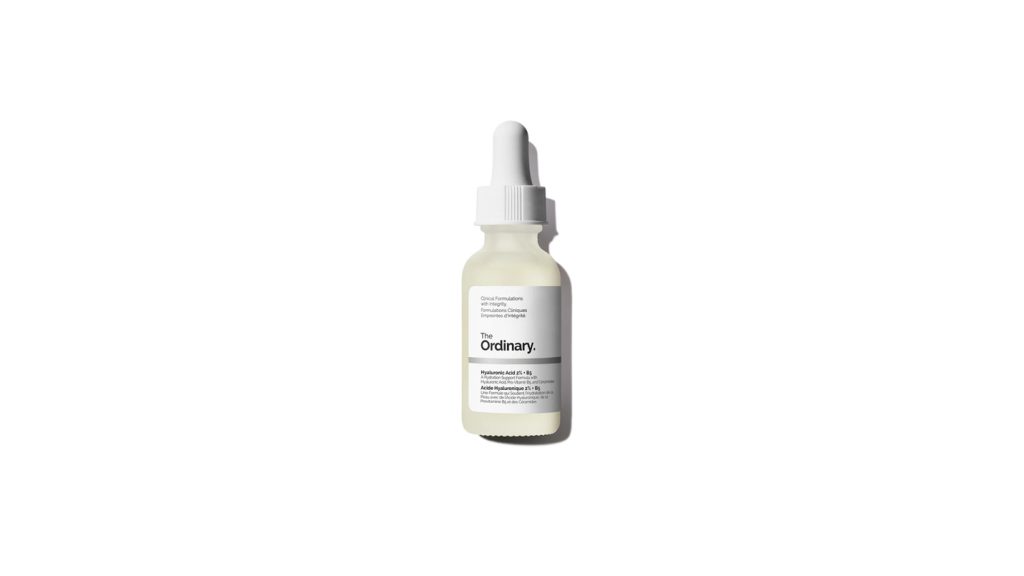
Few brands have reshaped the skincare industry as dramatically as The Ordinary. Launched in August 2016 under its parent company DECIEM, The Ordinary debuted with 27 products and a radical premise: clinical-grade skincare formulations sold at a fraction of the price consumers had been conditioned to expect. A hyaluronic acid serum for under $7. A retinoid treatment for around $6. Products named after their active ingredients — Niacinamide 10% + Zinc 1%, Glycolic Acid 7% Exfoliating Toner — rather than aspirational marketing language. The brand treated its customers as informed adults who could read, compare, and decide for themselves.
The packaging strategy was inseparable from this philosophy. The Ordinary deliberately chose minimalist, utilitarian skincare packaging — simple glass dropper bottles, basic tubes, and pump bottles dressed in monochrome labels with pharmaceutical-style typography. There were no metallic foils, no embossed logos, no ornate caps. Every container looked like it belonged in a laboratory rather than a luxury department store. This wasn’t a limitation — it was the brand’s defining visual identity.
The stripped-back aesthetic worked because it reinforced everything The Ordinary stood for: transparency, honesty, and a science-first approach to skincare. Customers didn’t see cheap packaging; they saw a brand that refused to mark up its products to pay for unnecessary design flourishes. The utilitarian look became aspirational in its own right, spawning countless imitators who tried to replicate the clinical aesthetic.
DECIEM kept costs down further by manufacturing in-house, maintaining its own labs, e-commerce platform, and retail stores — a vertically integrated model that eliminated the margin stacking typical of the beauty industry. By the time Estée Lauder Companies acquired a minority stake in 2017, DECIEM was generating roughly $300 million in annual sales. The company eventually valued at over $1 billion.
The takeaway for founders building a beauty brand is clear: you don’t need ornate packaging to build credibility or customer loyalty. Choosing straightforward plastic skincare bottles and standardized containers can dramatically reduce per-unit costs while projecting a cohesive, intentional brand image. What matters is that the packaging choice feels deliberate — not default.
Brand website: theordinary.com
Skincare Startup Spotlight: Versed Skincare
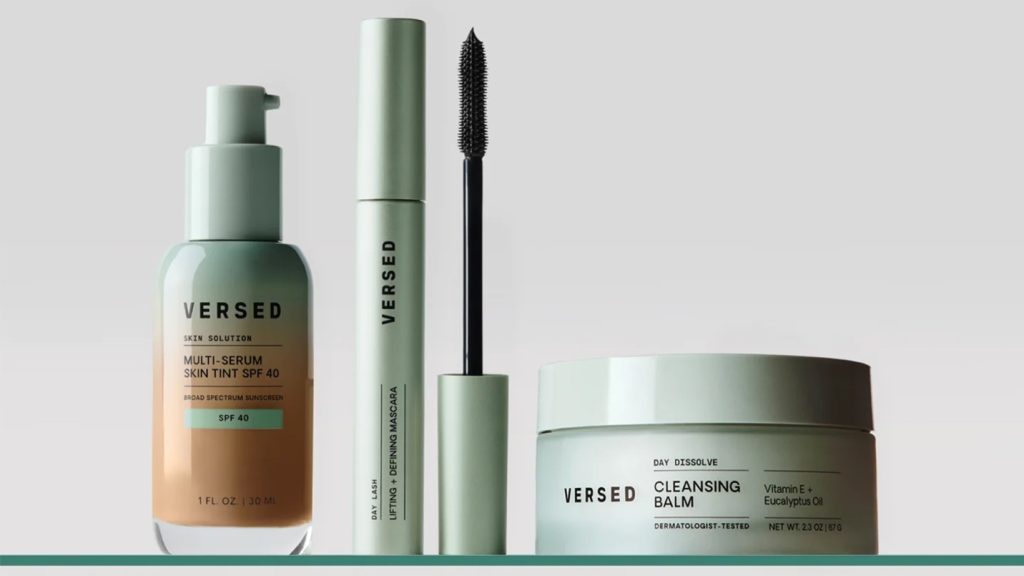
Versed launched in May 2019 with a mission to bring prestige-quality, clean skincare to mass-market retail aisles — and it entered the market through 1,400 Target stores on day one. Founded by Katherine Power, co-founder of the fashion and media company Who What Wear, Versed was developed under Offspring Beauty, a brand incubator that used Who What Wear’s millennial audience as a built-in focus group. The brand’s community of over 85,000 members actively shaped product development, from formula preferences to packaging decisions and price expectations.
Every Versed product launched at under $20, and the brand’s packaging strategy was central to maintaining those price points. Rather than investing in custom molds or premium materials, Versed used standardized tube and bottle formats and poured its creative budget into a consistent visual identity — a signature pale pink color palette, clean typography, and straightforward product naming. The result was a product line that looked cohesive and polished on a Target shelf without the per-unit costs associated with bespoke container design. Since launching, Versed has rebranded to a pale green color across its line, upholding the principle of consistency.
Sustainability was woven into the packaging essentials for skincare that Versed prioritized from the start. The brand uses up to 50% post-consumer recycled plastic in its containers, and its labeling includes specific, verifiable sustainability claims rather than vague greenwashing language. As the brand’s leadership has noted, the packaging isn’t what goes on your skin — it’s componentry that can be standardized and reused across products. The creative investment goes into the formulas and the branding, not the bottles.
The strategy has driven significant growth. Versed expanded into Walmart in 2022, now sells over 30 products across more than 6,600 stores globally, and has built a particularly strong DTC business alongside its retail presence. The brand’s retinol line alone sees one product sold every minute, according to company estimates.
For founders, Versed demonstrates that consistency in design across a standard container line creates a professional, recognizable look without custom tooling costs. Choosing recyclable materials and compact sizes can align with an eco-conscious audience while keeping packaging expenses manageable. And when you’re building a beauty brand, investing in label design and brand identity — rather than container design — delivers more impact per dollar.
Brand website: versedskin.com
Body Care Startup Spotlight: SheaMoisture
SheaMoisture’s story begins not in a corporate boardroom but in the village markets of Bonthe, Sierra Leone, where a young entrepreneur named Sofi Tucker began selling handcrafted shea butter, African Black Soap, and homemade beauty preparations in 1912. Generations later, her grandson Richelieu Dennis — a Liberian refugee who came to the United States during the civil war — formalized his grandmother’s recipes into a business. In 1991, Dennis, his mother Mary Dennis, and his college roommate Nyema Tubman founded Sundial Brands, selling their products from a card table on the streets of Harlem. There was no venture capital, no outside investors, no corporate backing. The brand grew through community trust, word of mouth, and the quality of the formulations themselves.
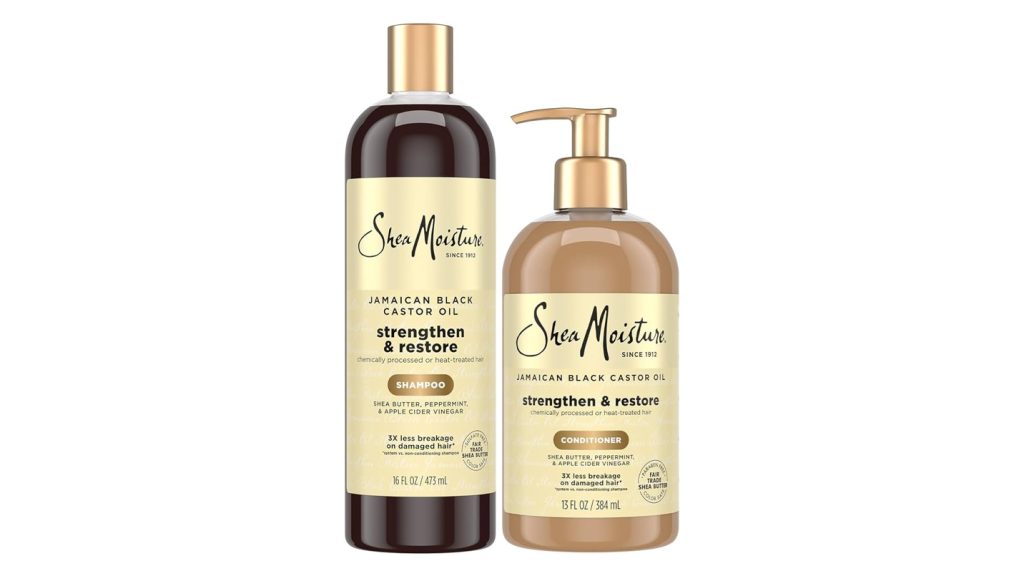
In those early years, body care packaging was as straightforward as the business model. SheaMoisture used simple, widely available jar and bottle formats — the same kinds of stock containers any startup could source from a wholesale supplier. What set the products apart on shelves was not the containers but the labels. Bold, colorful graphic design featuring rich earth tones and heritage-inspired imagery created instant visual recognition. Each label told a story, connecting the product to its West African roots and the Tucker family legacy. That emotional resonance — communicated through design on affordable stock containers — built a loyal customer base that grew the brand into a household name.
By the time Unilever acquired Sundial Brands in 2017, SheaMoisture had grown into a company generating hundreds of millions in annual revenue, with products stocked in major retailers nationwide. The brand’s packaging had evolved, but the core principle remained: strong graphic design on accessible containers creates the same visual impact as custom packaging at a fraction of the cost.
For founders launching body care lines, SheaMoisture’s trajectory is instructive. Body butter packaging and cream containers don’t need to be custom to be compelling. A well-designed label on a quality stock jar can communicate heritage, values, and premium quality — all without expensive packaging R&D.
Brand website: sheamoisture.com
Body Care Startup Spotlight: Dr. Bronner’s
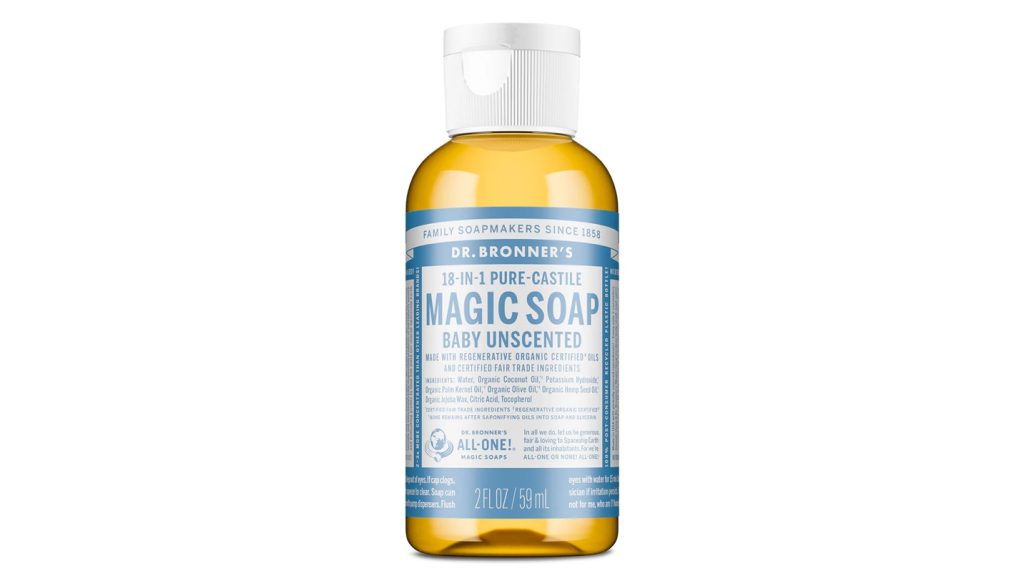
Dr. Bronner’s is proof that unconventional body care packaging can become iconic. The company has been family-owned since the 1940s, when Emanuel Bronner — a third-generation master soapmaker from a German-Jewish family — began producing his castile soaps in the United States. For decades, Dr. Bronner’s grew without venture capital, outside investors, or paid advertising. The company remains privately held to this day, and it has become one of the top-selling natural body care brands in the country, with annual revenue exceeding $200 million.
The packaging is famously eccentric. Every surface of the brand’s simple plastic bottles is covered in dense, small-font text — a rambling, philosophical manifesto that founder Emanuel Bronner called the “Moral ABC.” There is no white space, no minimalist design, no conventional marketing copy. The label itself is the marketing. It invites curiosity, provokes conversation, and is instantly recognizable from across a store aisle. This approach costs virtually nothing beyond standard printing — no special finishes, no embossing, no custom bottle shapes.
Equally important to the brand’s economics is its commitment to standardizing container formats across its entire product line. Whether you’re buying liquid castile soap, a body lotion, or a balm, the basic bottle and jar shapes remain consistent. This creates massive economies of scale in packaging procurement. Ordering the same container format in large quantities — whether those are spa and salon containers or basic squeeze bottles — dramatically reduces per-unit costs and simplifies inventory management. It also makes the brand’s visual identity stronger: customers recognize the shape and the label style regardless of which specific product they’re looking at.
For startup founders, Dr. Bronner’s offers a powerful lesson in packaging essentials for body care: standardizing your container format across a product line isn’t just a cost-saving measure — it’s a branding strategy. When every product shares a common container language, the line feels cohesive and established, even if you’re launching with just three or four SKUs.
Brand website: drbronner.com
Packaging Essentials for Skincare Startups: What You Actually Need
Every skincare line, regardless of its size, requires containers matched to its product formats. Here’s a practical breakdown of the core container types skincare founders should consider:
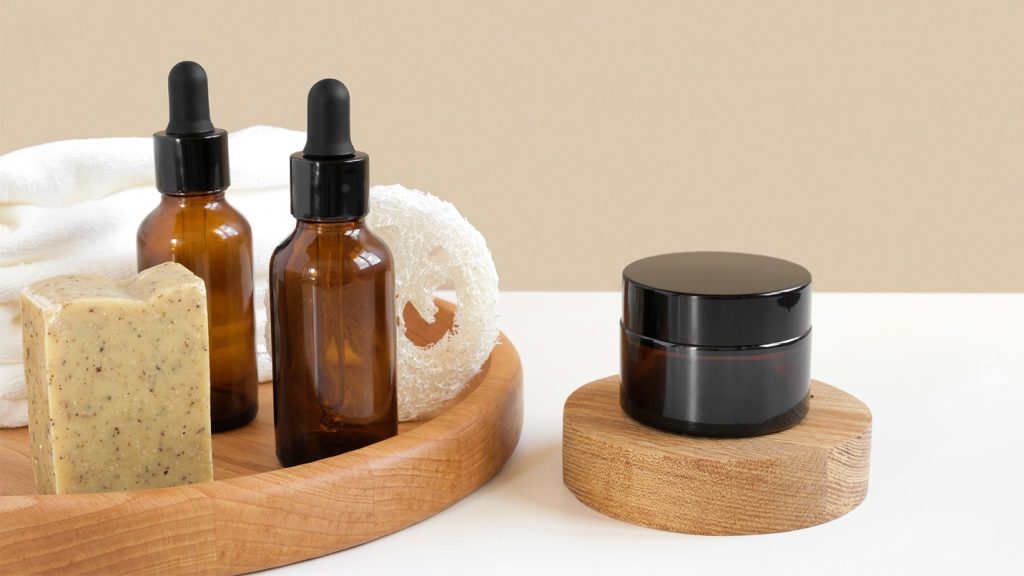
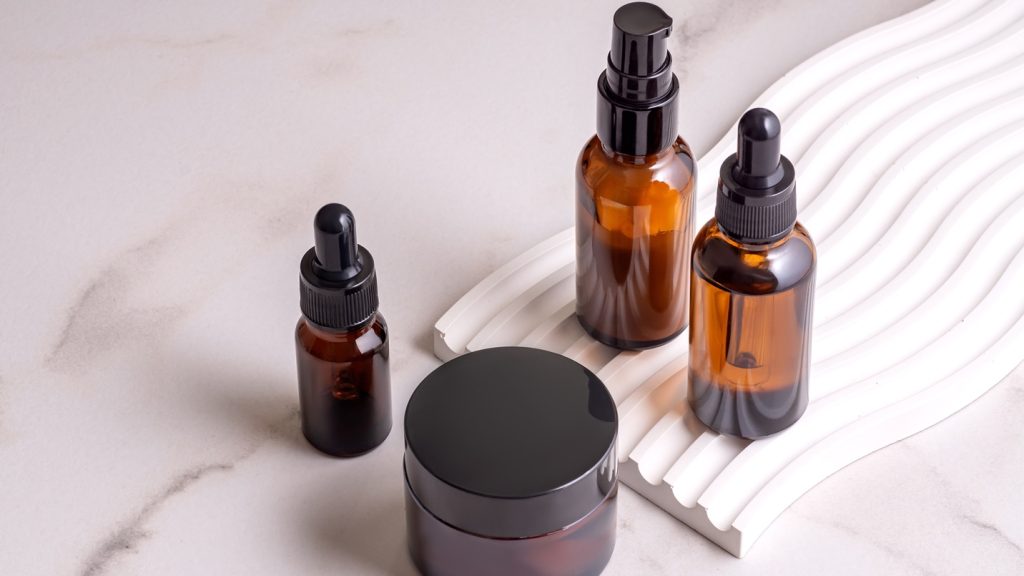
- Serums and oils: Dropper bottles in glass or PET plastic are the standard. They allow precise dispensing and protect light-sensitive formulas. Browse options through cosmetic container packaging to find sizes that work for your formulations.
- Moisturizers and creams: Cream jars in various sizes — from sample portions to full-size offerings — give customers easy access to thicker formulas. Wide-mouth openings are essential for finger-application products.
- Cleansers and toners: Pump bottles and flip-top bottles from the plastic skincare bottles catalog offer controlled dispensing for liquid and gel textures.
- Balms and ointments: Smaller format containers like ointment jars and lip balm containers are ideal for concentrated treatments and lip care products.
When building a beauty brand with skincare packaging on a budget, keep these principles in mind: start with a small SKU count rather than launching a dozen products at once. Choose stock containers over custom molds — the cost difference is substantial, and stock containers can look just as polished with the right label design. Buy wholesale to lower per-unit costs, and select versatile sizes that can work across multiple products in your lineup. A 1 oz dropper bottle might serve both your vitamin C serum and your facial oil, simplifying your supply chain from the start.
Packaging Essentials for Body Care Startups: What You Actually Need
Body care products span a wide range of textures and formulations, and the right body care packaging must match each product’s consistency, usage pattern, and storage requirements. Here are the core container types body care founders should plan for:
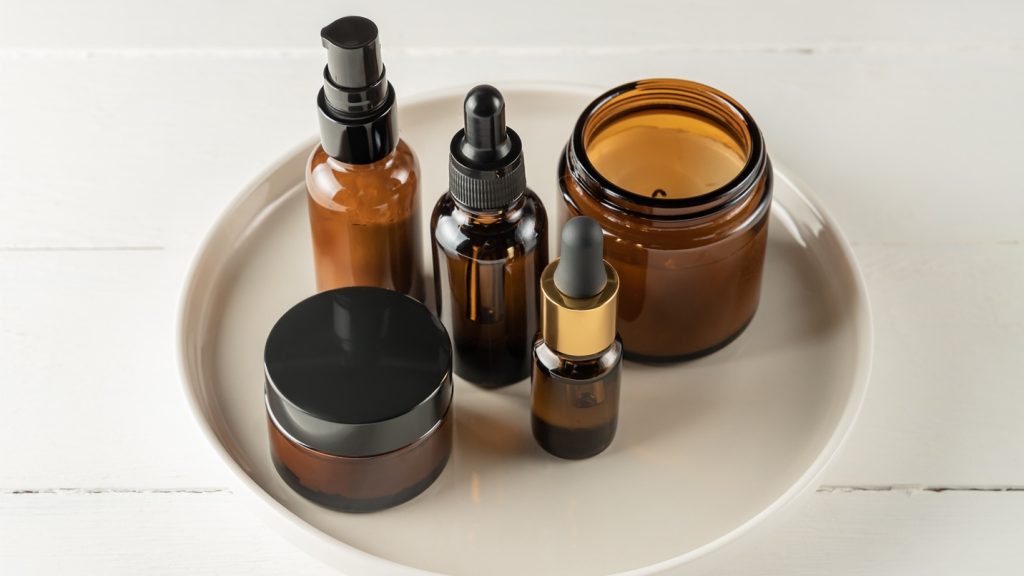
- Body butters and thick creams: Body butter packaging typically means wide-mouth jars that allow easy scooping of dense, rich formulas. Look for jars with secure, airtight lids to preserve product freshness.
- Body scrubs: Body scrub containers need to be water-resistant with durable lids, since these products live in showers and near sinks. Moisture-proof closures are non-negotiable.
- Bath salts and soaks: Bath salt jars in glass or plastic with airtight seals keep products dry and prevent clumping. Clear containers can be especially effective here, letting colorful salts or layered soaks serve as their own visual merchandising.
- Lotions and body washes: Pump bottles and squeeze bottles provide mess-free dispensing for thinner formulas. Explore the full range of options in BottleStore.com’s health and beauty catalog.
Budget tips for body care packaging: prioritize moisture-resistant closures above all else — a leaking body scrub or a clumped bath salt destroys customer trust instantly. Consider material compatibility carefully, since essential oils and certain fragrance compounds can degrade some plastics over time. And don’t overlook the power of the product itself as a visual element. Colorful sugar scrubs, layered bath salts, and richly pigmented body butters look stunning through clear containers, turning the product into its own packaging design at zero additional cost.
Budget-Smart Packaging Strategies for Any Beauty Startup
Across every product category, a handful of packaging strategies consistently separate founders who stretch their dollars wisely from those who overspend early:
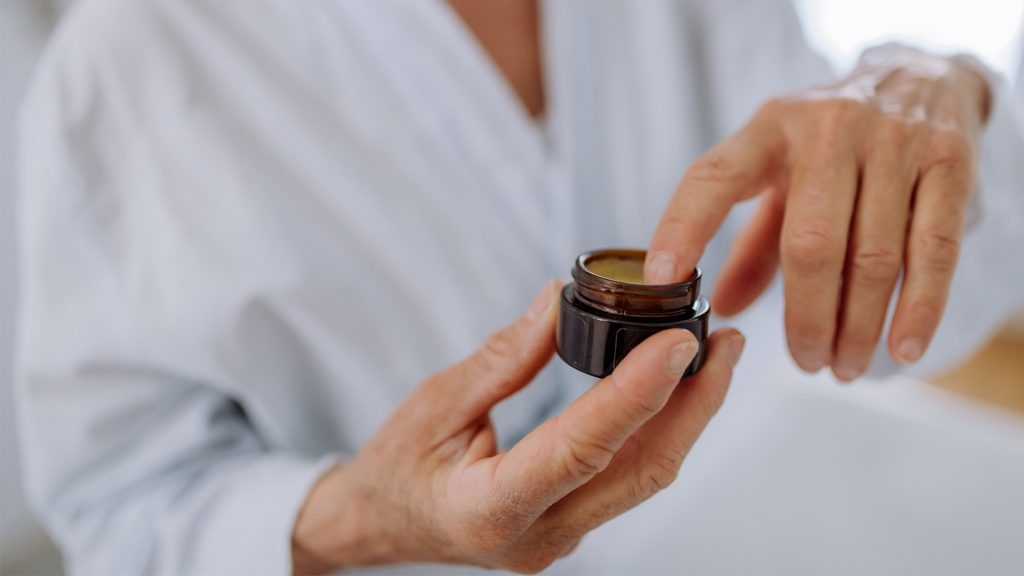
Start with stock packaging. Custom molds require significant upfront investment and minimum order quantities that most startups can’t justify. Standard containers from wholesale suppliers look professional, ship faster, and cost a fraction of the price. The brands profiled in this article — from The Ordinary to Dr. Bronner’s — all built their identities on stock or near-stock container formats.
Buy wholesale. Purchasing from a wholesale supplier like BottleStore.com provides better per-unit pricing and ensures consistent supply as you scale. Running out of containers mid-production run is a problem no startup needs.
Invest in label design, not container design. A beautifully designed label on a standard bottle creates more brand impact per dollar than a custom container with a forgettable label. Every case study in this article reinforces the same point: SheaMoisture’s bold labels, Dr. Bronner’s text-covered bottles, Versed’s cohesive color system, and The Ordinary’s clinical typography all used standard or near-standard containers as their canvas.
Test small, scale later. Order smaller quantities to validate market response before committing to large production runs. This applies to both formulations and container choices — the bottle you think is perfect might not resonate with your audience the way you expect.
Think sustainability early. Consumers increasingly seek out brands with sustainable health and beauty packaging, and eco-friendly options don’t always come at a premium. Post-consumer recycled plastics, recyclable materials, and refillable container formats can differentiate your brand and attract conscious consumers without inflating your costs.
The Path Forward for Indie Beauty Founders
Building a beauty brand on a budget is not only possible — it’s the origin story of many of today’s most recognized names in the industry. The Ordinary launched with utilitarian dropper bottles and became a billion-dollar brand. Versed entered Target with standardized tubes and recycled plastic and now sells across thousands of stores globally. SheaMoisture started on the streets of Harlem with stock jars and heritage-inspired labels and grew into a brand acquired for hundreds of millions. Dr. Bronner’s turned the most basic bottle format into one of the most recognizable containers in American retail.
The common thread is not deep pockets or elaborate packaging budgets. It’s strategic decision-making. These brands chose quality stock containers, invested their creative energy into branding and formulation rather than expensive custom packaging, and understood that skincare packaging and body care packaging serve the brand best when they’re functional, consistent, and aligned with the company’s identity.
For today’s indie founders, the opportunity is substantial. Consumers are actively seeking new brands. Retail doors are opening to emerging companies with strong stories and smart product lines. And the packaging infrastructure available through suppliers like BottleStore.com — spanning everything from cosmetic containers to body scrub jars to sustainable packaging options — makes it possible to launch a professional, shelf-ready product line without the overhead that once defined the industry. The brands that will define the next era of beauty are being built right now, and they’re starting with smart packaging decisions.