
How Your Bottle Shape Tells Your Brand Story: A Visual Guide for New Founders
Every product on a retail shelf has roughly three seconds to make an impression. For new founders entering the food and beverage, personal care, or home goods industries, the bottle shape you choose is one of the most powerful — and most overlooked — branding decisions you will make. Before a customer reads your label, examines your ingredient list, or learns about your mission, they see the silhouette of your container. That silhouette communicates volumes about what your product is, who it is for, and why it matters.
Bottle packaging is never a neutral choice. A tall, slender glass bottle signals sophistication and tradition. A squat, wide-mouth plastic container suggests accessibility and functionality. A sleek cosmo round evokes the beauty counter, while a sturdy F-style jug says industrial strength. Your bottle shape is the first chapter of your brand story — and as a new founder, getting that first chapter right can mean the difference between a customer reaching for your product or passing it by entirely.
The decisions surrounding bottle packaging go far deeper than aesthetics, however. Founders must consider practical logistics like shipping weight, breakage risk, shelf stability, label surface area, and filling compatibility. They must think about how a bottle shape fits within their broader industry and whether it meets regulatory requirements. And they must balance all of these functional concerns with the emotional and psychological impact of their chosen container.
This guide is designed to walk you through the most popular glass and plastic bottle shapes available to entrepreneurs ordering in bulk and wholesale quantities. You will learn which shapes align with which industries, see how real-world brands have leveraged bottle packaging to build recognition and loyalty, and discover why the right bottle shape can become the most memorable part of your entire brand identity. Whether you are launching a small-batch hot sauce, an artisanal skincare line, a cold-pressed juice brand, or a household cleaning product, the insights below will help you make packaging decisions with confidence.
Why Your Bottle Shape Is Your Silent Brand Ambassador
When consumers encounter a product for the first time, visual cues do most of the heavy lifting. Research consistently shows that a significant majority of purchase decisions are influenced by packaging design, and the bottle shape itself plays an outsized role in that first impression. A distinctive bottle shape creates what marketers call a “distinctive asset” — a visual element so strongly associated with a brand that consumers recognize it instantly, even without reading the label.
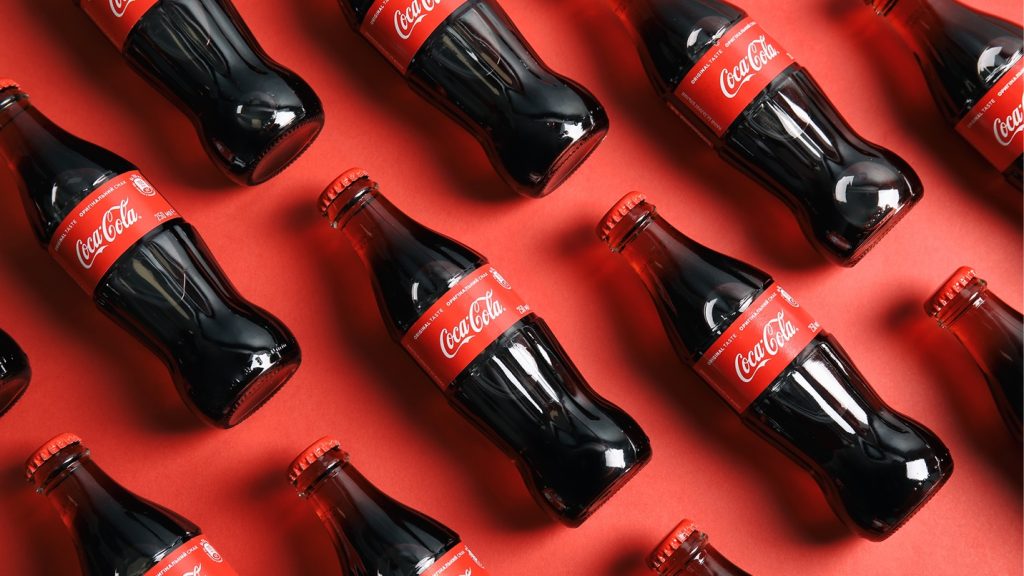
Consider how Coca-Cola’s contoured glass bottle became one of the most recognized packaging designs in the world. The company famously wanted a bottle so distinctive it could be identified by touch in the dark or recognized from its shattered pieces on the ground. That level of brand story integration through bottle shape is the gold standard, but the principle applies at every scale. Whether you are filling a hundred bottles or a hundred thousand, the shape you select tells customers something about your values, your quality, and your identity.
Your brand story is not just what you print on a label — it is embedded in every physical dimension of your bottle packaging. The weight of the glass in a customer’s hand, the curve of the shoulders, the width of the mouth, the way it pours — all of these details contribute to an overall experience that either reinforces or undermines the narrative you are trying to build.
Glass Bottle Shapes: Classic Profiles That Communicate Quality
Glass has long been the material of choice for brands that want to communicate premium quality, purity, and tradition. Glass bottle packaging offers superior chemical inertness, meaning it does not react with the product inside, which is particularly important for food, beverages, and essential oils. Glass is also infinitely recyclable, a factor that resonates increasingly with environmentally conscious consumers. However, glass is heavier than plastic, which directly impacts shipping costs, and it is inherently more fragile — factors that new founders must weigh carefully.
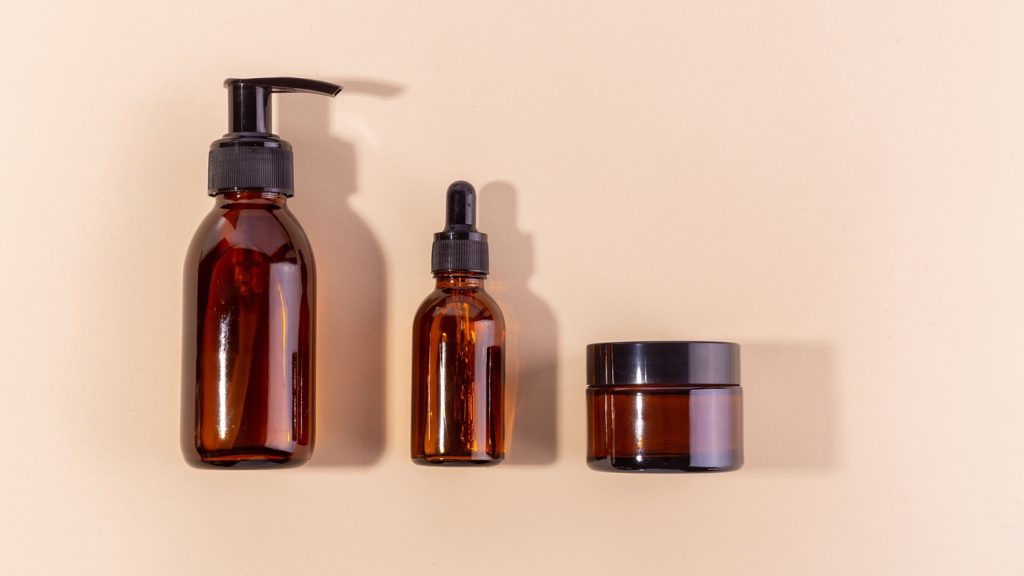
Boston Round Glass Bottles are among the most versatile and widely used bottle shapes in the packaging world. Characterized by their rounded shoulders and cylindrical body, Boston rounds have deep roots in the pharmaceutical and apothecary trades. Today, they are the go-to choice for essential oils, tinctures, serums, cold-brew coffee, kombucha, and artisanal juices. The Australian skincare brand Aesop has built an entire visual identity around amber Boston round glass bottles with minimalist black-and-white labels. Aesop’s packaging draws directly from the apothecary tradition, using the pharmaceutical-grade amber glass to protect light-sensitive botanical formulations from UV degradation. The result is a brand story that communicates scientific rigor, understated luxury, and timeless design — all through the choice of a single bottle shape. Aesop’s amber bottles have become so iconic that they double as interior design objects, frequently displayed in high-end bathrooms and featured in lifestyle photography. For new founders in the skincare, wellness, or specialty beverage space, the Boston round offers a proven canvas for building a sophisticated brand story through bottle packaging.
French Square Glass Bottles feature a distinctive square cross-section with rounded corners and a clean, structured profile. This bottle shape is popular in the food industry for oils, vinegars, syrups, and specialty condiments. The flat panels provide generous labeling space on all four sides, making the French square an excellent choice for founders whose brand story involves detailed ingredient sourcing, origin stories, or multilingual labeling. The angular form also stacks and ships more efficiently than round alternatives, reducing wasted space in cartons and lowering per-unit freight costs — a meaningful advantage for bootstrapped startups managing tight margins.
Sauce and Syrup Glass Bottles, including the classic “woozy” style, have become synonymous with the condiment industry. These tall, narrow-necked bottles are designed for controlled pouring of thin, liquid sauces. Tabasco, the legendary pepper sauce from Avery Island, Louisiana, has packaged its product in a compact glass bottle since 1868. Founder Edmund McIlhenny originally used discarded cologne bottles to distribute his sauce to family and friends, and the brand’s petite, glass woozy-style container has remained remarkably consistent for over 150 years. The Tabasco bottle is so closely linked to the product’s brand story that the U.S. military includes miniature glass bottles in its Meals Ready-to-Eat (MREs), and tiny bottles bearing the presidential seal are served on Air Force One. For hot sauce entrepreneurs, the woozy bottle shape is practically an industry standard — its narrow neck prevents waste, the glass preserves flavor integrity in acidic formulations, and the tall silhouette creates strong shelf visibility.
Flask Glass Bottles offer a flat, rectangular profile with sloped shoulders, making them distinctive on any shelf. Available in colors such as amber, emerald green, and cobalt blue, flask bottles are popular for spirits, specialty oils, and artisanal syrups. Their slim profile fits easily into gift boxes and shipping cartons, and their flat front panel provides an excellent surface for labels and screen printing.
Square Glass Bottles, Round Glass Bottles, Wide Mouth Round Glass Bottles, Pour-Out Round Glass Bottles, Oval Glass Bottles, and Packer Glass Bottles round out the extensive glass bottle shape options. Each serves specific functional needs: wide mouth bottles simplify filling for thicker products or dry goods, pour-out rounds feature a lip designed for clean dispensing, and packer bottles offer a sturdy, no-nonsense profile commonly used in the pharmaceutical and nutraceutical industries.
Plastic Bottle Shapes: Lightweight Versatility for Growing Brands
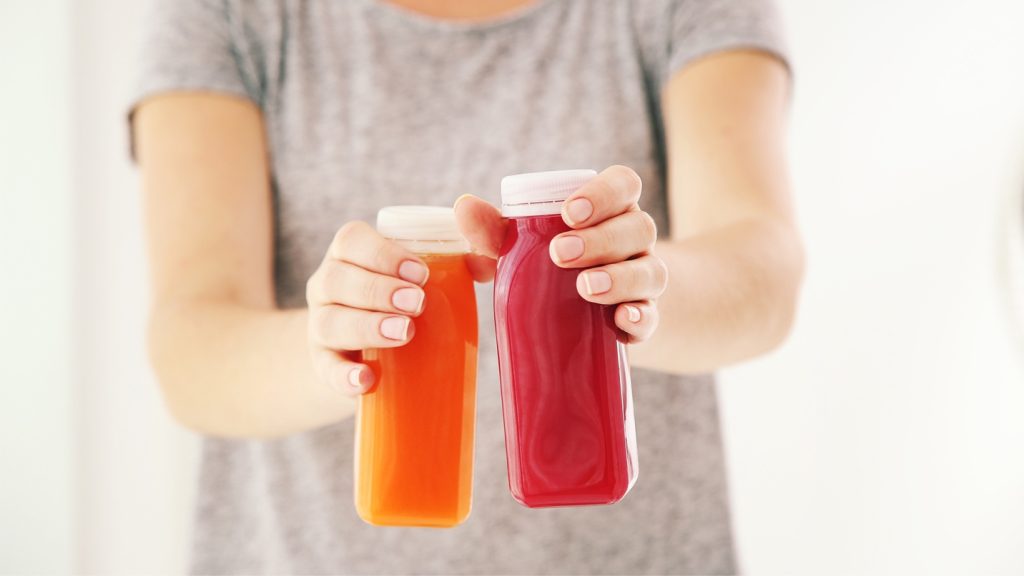
Plastic bottle packaging offers new founders significant advantages in terms of cost, weight, and durability. Plastic bottles are substantially lighter than glass, which directly reduces shipping costs — a critical consideration for e-commerce brands and startups selling through direct-to-consumer channels where freight expenses are a major line item. Plastic is also far less prone to breakage during transit, reducing product loss and customer complaints. Common plastics used in bottle manufacturing include PET (polyethylene terephthalate), HDPE (high-density polyethylene), and PP (polypropylene), each offering different levels of clarity, chemical resistance, and recyclability.
Cosmo Round Plastic Bottles, also known as bullet rounds, feature steep, sloping shoulders that create a sleek, modern silhouette. This bottle shape has become the standard in the personal care industry, housing everything from shampoos and conditioners to lotions and body washes. The cosmo round’s smooth contours lend themselves to high-end branding, making it a natural fit for founders building a beauty or wellness brand story. Method, the pioneering green cleaning brand founded by Eric Ryan and Adam Lowry, demonstrated the power of rethinking bottle shape in an unexpected category. Method’s early products, including their now-famous teardrop-shaped hand soap bottle designed by Karim Rashid, proved that even household cleaning products could carry a compelling design-driven brand story. Method went on to become one of the fastest-growing private companies in the United States, generating over $100 million in annual sales, with packaging design cited as a key differentiator. The lesson for new founders is clear: even in categories where packaging is traditionally an afterthought, a distinctive bottle shape can redefine consumer expectations and anchor a powerful brand story.
Boston Round Plastic Bottles mirror their glass counterparts in form but offer the practical advantages of plastic. They are widely used in the personal care, pharmaceutical, and cleaning product industries. The rounded shoulders and classic profile communicate reliability and professionalism, making this bottle shape an excellent foundation for brand storytelling across many sectors. For founders launching hand soaps, lotions, essential oil blends, or cleaning solutions, the Boston round plastic bottle is a versatile starting point that pairs well with pumps, sprayers, and dropper caps.
Squeeze Bottles are a specialized plastic bottle shape designed for products that benefit from user-controlled dispensing. Common in the food industry for condiments like ketchup, mustard, and salad dressings, squeeze bottles are made from flexible LDPE or HDPE plastics that return to their original shape after compression. Heinz revolutionized the condiment aisle in the early 2000s with its inverted squeeze bottle design, recognizing that consumers struggled with the traditional glass ketchup bottle. This packaging innovation became a defining element of the Heinz brand story and demonstrated how a simple change in bottle shape and orientation could solve a real consumer pain point while reinforcing brand relevance.
F-Style Plastic Bottles feature a flat, rectangular body with an offset neck and built-in handle. This industrial bottle shape is the workhorse of the cleaning, automotive, and agricultural chemical industries. The flat panels maximize label space and allow efficient palletizing, while the handle provides ergonomic convenience for heavier volumes. For founders in the home and industrial sectors, the F-style bottle communicates function-first practicality and professional-grade capability — a brand story rooted in reliability and performance.
Cylinder Plastic Bottles offer a clean, modern aesthetic with straight sides and a flat base. Their minimalist profile is popular among brands in the health, beauty, and wellness categories that want a contemporary look without the curvature of a cosmo round.
Modern Round Plastic Bottles similarly provide a sleek, updated take on the traditional round form, appealing to founders who want their bottle packaging to project innovation and forward-thinking design.
Square Plastic Bottles and Rectangular Plastic Bottles maximize shelf space efficiency and provide four flat label panels for comprehensive branding. These shapes are common in the food, cleaning, and industrial sectors, where clear product information and space-efficient storage are priorities.
Industrial Round Plastic Bottles, Wide Mouth Round Plastic Bottles, Round Packer Plastic Bottles, and Plastic Spice Bottles each serve specialized functions. Industrial rounds are built for chemical resistance and heavy-duty applications. Wide mouth rounds simplify filling for powders, tablets, and thick liquids. Round packers are a staple in the supplement and nutraceutical industry. And plastic spice bottles, with their sifter or shaker caps, are purpose-built for the seasoning market, allowing founders in the food space to tell a culinary-focused brand story through both form and function.

The Practical Side: How Bottle Shape Affects Shipping, Storage, and Cost
Beyond aesthetics and brand storytelling, bottle shape has tangible implications for your operational bottom line. Square and rectangular bottle shapes pack more efficiently into cartons and onto pallets than round alternatives, reducing wasted void space and potentially lowering per-unit shipping costs. For a startup shipping hundreds or thousands of units per month, even a small percentage improvement in packing density can translate into meaningful savings over time.
Bottle weight is another critical factor. Glass bottles are substantially heavier than their plastic equivalents, which increases shipping costs — particularly for e-commerce brands where dimensional weight pricing applies. A single glass Boston round might weigh several ounces more than a comparable PET plastic bottle, and that difference multiplies across every unit in every shipment. Founders who prioritize a premium glass brand story must account for these higher logistics costs in their pricing strategy.
Fragility is a related concern. Glass bottle packaging, while beautiful and chemically inert, is inherently more breakable during transit. Round glass bottles with uniform wall thickness tend to be more structurally resilient than bottles with flat panels or angular features, which can create stress points. Adequate cushioning, partitioned cartons, and careful palletizing are essential for glass shipments. Plastic bottles, by contrast, can absorb impacts and flex without shattering, making them a more forgiving choice for brands shipping through parcel carriers or navigating complex supply chains.
Finally, consider the compatibility of your bottle shape with filling equipment, labeling machinery, and closure systems. Certain bottle shapes require specific cap sizes and closure types, and not all shapes run equally well on automated filling lines. Discussing these considerations with a packaging partner early in the process can prevent costly surprises down the road.

Choosing the Right Bottle Shape for Your Industry and Brand Story
The relationship between bottle shape and industry conventions is important to understand, even if your goal is to stand out from the crowd. Customers carry unconscious expectations about what packaging should look like in specific categories, and your bottle shape either confirms or deliberately challenges those expectations.
In the food and beverage industry, glass remains the preferred material for products like hot sauces, artisanal syrups, cold-brew coffees, and specialty oils, where flavor integrity and a premium brand story are paramount. Sauce and syrup bottles, Boston rounds, and French squares are all strong options depending on the product’s viscosity and dispensing needs. Plastic squeeze bottles dominate the condiment aisle for mass-market products where convenience and cost efficiency drive the brand story.
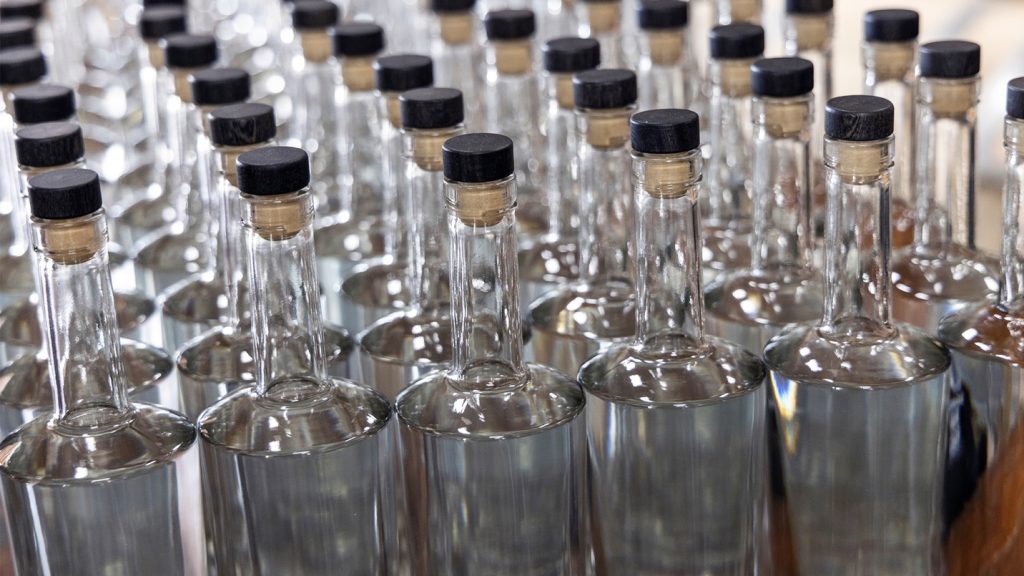
In health and beauty, cosmo round plastic bottles and Boston round glass bottles are the most popular choices. The bottle shape you select in this category sends immediate signals about your price point and positioning. Amber glass Boston rounds evoke apothecary heritage and clean beauty values, while sleek cosmo rounds suggest a modern, salon-quality experience. Absolut Vodka, though a spirits brand, offers a fascinating case study in how bottle shape can anchor an entire marketing legacy. The brand’s clear glass bottle, inspired by an 18th-century Swedish pharmacy bottle discovered in a Stockholm antique shop, was designed to project transparency and authenticity at a time when competitors favored ornate, heavily decorated packaging. The resulting brand story — rooted in purity, Scandinavian heritage, and artistic collaboration — propelled Absolut into the American Marketing Hall of Fame alongside only Coca-Cola and Nike. The Absolut example demonstrates that a bold, historically informed bottle shape choice can become the foundation of a brand story that endures for decades.
In home and industrial applications, F-style plastic bottles, industrial rounds, and cylinder bottles are practical, trusted choices. The brand story in these categories typically centers on reliability, safety, and performance, and the bottle packaging should reinforce those values through sturdy construction and clear labeling.
Building Your Brand Story Through Bottle Packaging at BottleStore.com
For entrepreneurs ready to translate their brand vision into a physical product, the sheer variety of bottle shapes available can feel overwhelming. The key is to start with your brand story and work backward to the bottle shape that best supports it. Ask yourself: What emotions do you want customers to feel when they pick up your product? What does your bottle shape communicate about your quality, your values, and your target customer? How does your packaging differentiate you from competitors in the same aisle?
BottleStore.com offers one of the most comprehensive selections of bulk and wholesale glass and plastic bottles in the United States, spanning every bottle shape discussed in this guide — from Boston rounds and French squares to cosmo rounds, F-style bottles, squeeze bottles, and dozens of other configurations. Our expansive inventory serves entrepreneurs across the food and beverage, health and beauty, home and industrial, and cleaning supply sectors, with options in multiple sizes, colors, and materials. Beyond the bottles themselves, BottleStore.com provides a full range of caps and closures — pumps, sprayers, dropper caps, flip tops, and more — so founders can customize their complete bottle packaging solution to match their brand story.
Whether you are filling your first hundred bottles from a home kitchen or scaling to wholesale production, the bottle shape you choose today will shape how customers perceive your brand for years to come. Take the time to consider not just what looks good on a mood board, but what performs well on a shelf, survives a shipping carrier’s conveyor belt, and tells the story you want told every time someone picks up your product. Your packaging is not just a container. It is your brand’s first and most persistent storyteller.